
In cases where you choose to use corrugated plastic sheets in your packaging needs or any other purpose, drilling holes can be necessary in order to attach or mount something. In this article, we are going to show you how to drill corrugated plastic successfully and save it from getting deformed or damaged.
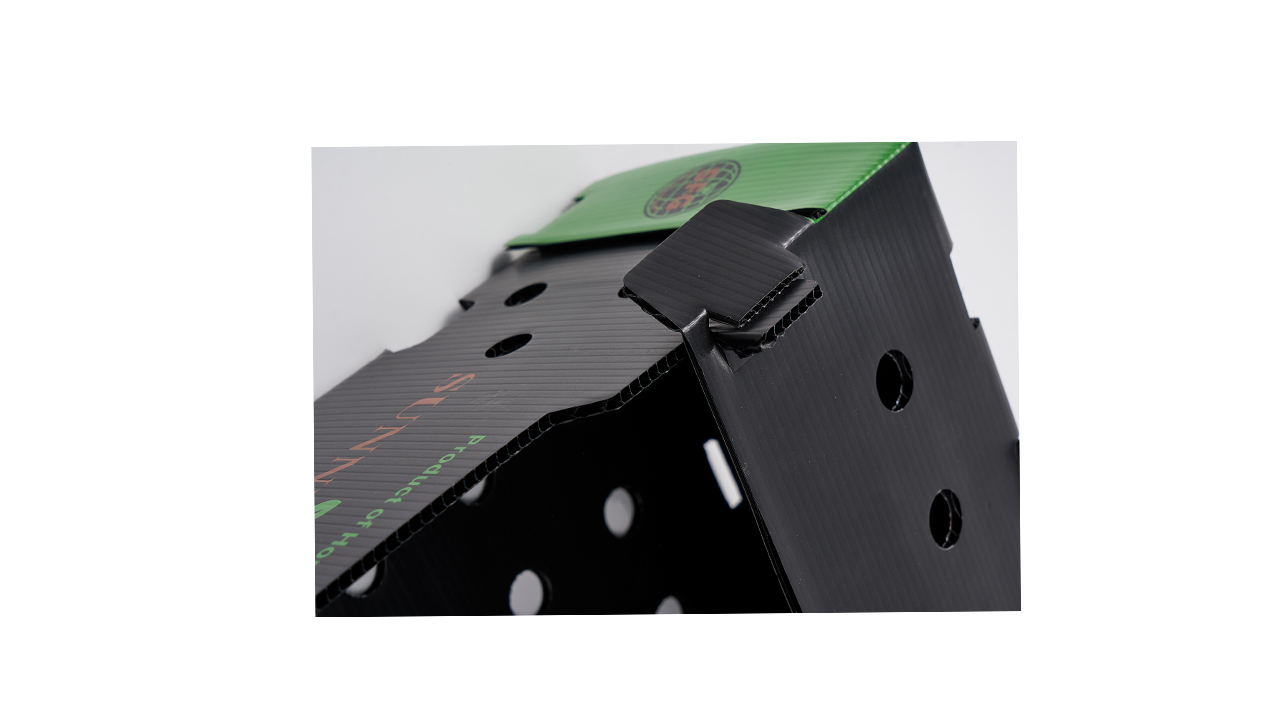
1. The tools required for drilling Corrugated Plastic Sheets
You will be able to drill with ordinary drill equipment in most cases. If you process a large batch, then drill press or CNC equipment might be useful.
For small jobs, no special equipment is required.
The following may be used:
– Electric or cordless drill
– Sharp drill bit intended for plastics
– Measurement tool or template
– Marker or pencil
– Flat surface
– Clamps (if needed)
For mass production, you might want to use automated drilling tools, like:
-CNC drilling machine
– CNC router that is able to drill,
– Multi-spindle drilling machine
-Automated punching machine
In order to ensure consistency of drilled holes’ size and position among hundreds and thousands of sheets.
For a drill bit, you should take a sharp bit intended for drilling plastic material. The options include plastic drill bits and regular twist drill bits adjusted for plastic material. Sharp drill bits will help you decrease friction and temperature, which prevents melting and roughness around the drilled hole.
2. How to Drill Corrugated Plastic Step by Step
l Measure and Mark the Location of the Hole
Measure the spots where you would like the holes to be before drilling. Mark the spots clearly on the sheet.
If you have to drill several sheets that require the same hole placement, it may be helpful to make a template.
l Support the Sheet
Put your sheet of corrugated plastic on a firm, level surface before drilling holes in it.
Support becomes especially crucial when you’re drilling close to the edge or handling a thinner sheet. If the sheet shifts too much, the hole might not come out perfectly.
If you are working in an industrial setting, you may use clamps to hold the sheet steady or a fixture that allows multiple processes.
l Choose the Proper Drill Bit
It is important that you choose a sharp and proper drill bit for plastics or general purpose drilling.
The size of hole you need to make depends on your intended use of the sheet. For instance, when you want to make a hole for a fastener, the size will be different from when you intend to make one for a pipe or cable.
If you are uncertain of the hole size, refer to the specifications of the component to be installed.
l Drill at a Controlled Speed
Stand the drill upright on the surface and drill holes at a suitable speed, usually 1,500-2,500 RPM for most standard holes. In case you have a bigger drill bit, drill at a slower speed to avoid friction and heat generation.
Putting too much pressure on the drill can cause increased friction and heat, leading to the softening or melting of your PP plastic sheet around the hole. Allow your sharp drill bit to drill holes gradually into your sheet.
If you need to drill a larger hole, drill holes gradually or use a hole saw or a step drill bit for plastics. In case you will be processing several sheets, start with a speed of 500-1,000 RPM and adjust the drilling speed according to the thickness of your sheet, drill-bit size, and other considerations.
l Clean the Hole
Once the hole has been drilled, inspect the hole for any pieces of plastic and rough edges. Make sure that the area is clean before proceeding with installation of fasteners.
For those who are concerned about the aesthetics of their project, checking every hole might be advisable.
3. How Not to Damage the Sheet While Drilling
While drilling into the corrugated plastic is relatively easy to do, drilling incorrectly can create complications.
Firstly, if you use excessive force during the process, you can distort the sheet. Secondly, too high a drilling speed can make the sheet heat up, thus creating imperfections in the hole.
Also, remember not to drill holes that are too close to the edge unless your application requires that. It must have enough material to support the fastener.
In case you need to drill a lot of sheets, try doing the trial run first to make sure everything goes right.
4. Drilling Corrugated Plastic sheets for Various Purposes
The purpose of drilling the holes will influence your needs.
Signs require drilling of holes for zip ties, screws, hooks, or mounting devices. This way, your installation process becomes easier and provides a better finished product.
Industrial packaging might require drilling holes for fastening, ventilation, handling, or assembly of components. In this situation, your concern is the longevity and consistency of your drill, rather than its aesthetics.
Agricultural applications, your sheets might require holes for installing or ventilation purposes. You need to inform your supplier about the working conditions and uses of the product.
That is why there is no universal drilling standard that applies to all situations where corrugated plastic sheets are used.
5. Frequently Asked Questions.
Q1.How Near Should You Drill a Hole to the Edge?
It is essential to have sufficient material left around the hole so that your sheet remains strong. As a rule of thumb, it is best to have an edge of the hole at least 1-2 times as far away from the sheet edge as the hole diameter. The right distance will vary based on the specific requirements of your project.
Q2. How should you mark your drilling locations?
You could make use of either a pencil, marker, measuring instrument, or a template to mark your drill points. When it comes to mass production, using a template will come in handy.
Q3. How will you ensure that the plastic does not melt when you are drilling?
A sharp drill bit will help. Pressure should be kept low. The speed of drilling should be controlled. In case you see the plastic start to melt, then lower the RPM.
6. Conclusion
Drilling holes into the corrugated sheets of plastic is not a difficult task when the proper drills, speed and methods are used. Using proper support, selecting the proper drill bit, and doing initial tests will make sure that you get smooth holes without damaging anything. At Purepack, we can assist you in obtaining drilled holes in our corrugated PP sheets according to your needs.