
In case you want signs which will be durable, lightweight, and affordable, the corrugated plastic signs would definitely work best. Below is the basic step-by-step process of making PP corrugated signs, starting with choosing the proper PP corrugated sheets and ending with appropriate design decisions depending on the client’s wishes.
1. What Are Corrugated Plastic Signs?
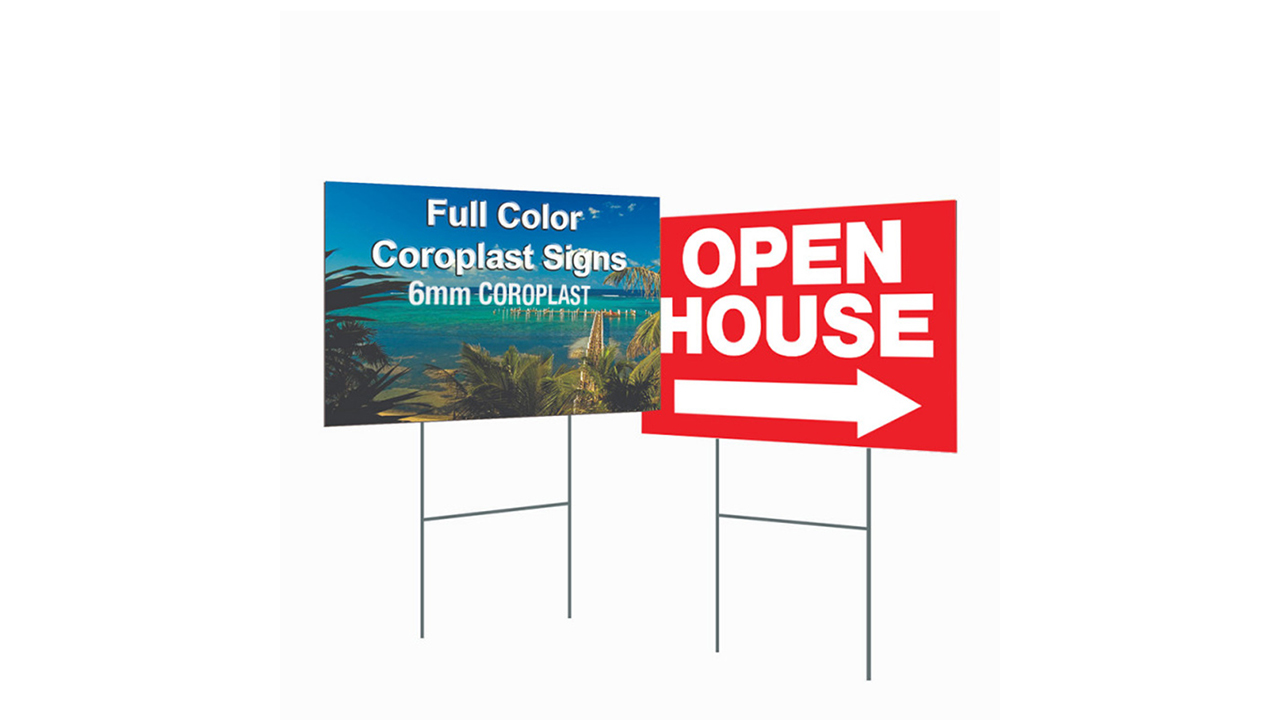
Corrugated plastic sign boards represent one of the widely used types of signboards which are manufactured from the corrugated polypropylene material. Due to the lightness and fluting of this material, the sign boards can easily be printed, cut, and mounted. Being durable and cheap, corrugated plastic signs are frequently used for outdoor advertisements.
2. Materials You Need and Step-by-Step Guide on How to Make Corrugated plastic signs
Before beginning with the process of making corrugated signs, ensure you have the following items ready:
| Tools | Purpose |
| UV flatbed printer | Directly prints images on PP corrugated sheets. |
| Screen printing machine | Makes bulk productions of simple designs. |
| Cutting tools or CNC cutter | Cuts the sheets to the required size and shape. |
| Measuring tools | For measurement of sheets |
| Cleaning tools | For cleaning dust and dirt. |
Step 1: Selecting the Right PP Corrugated Sheet
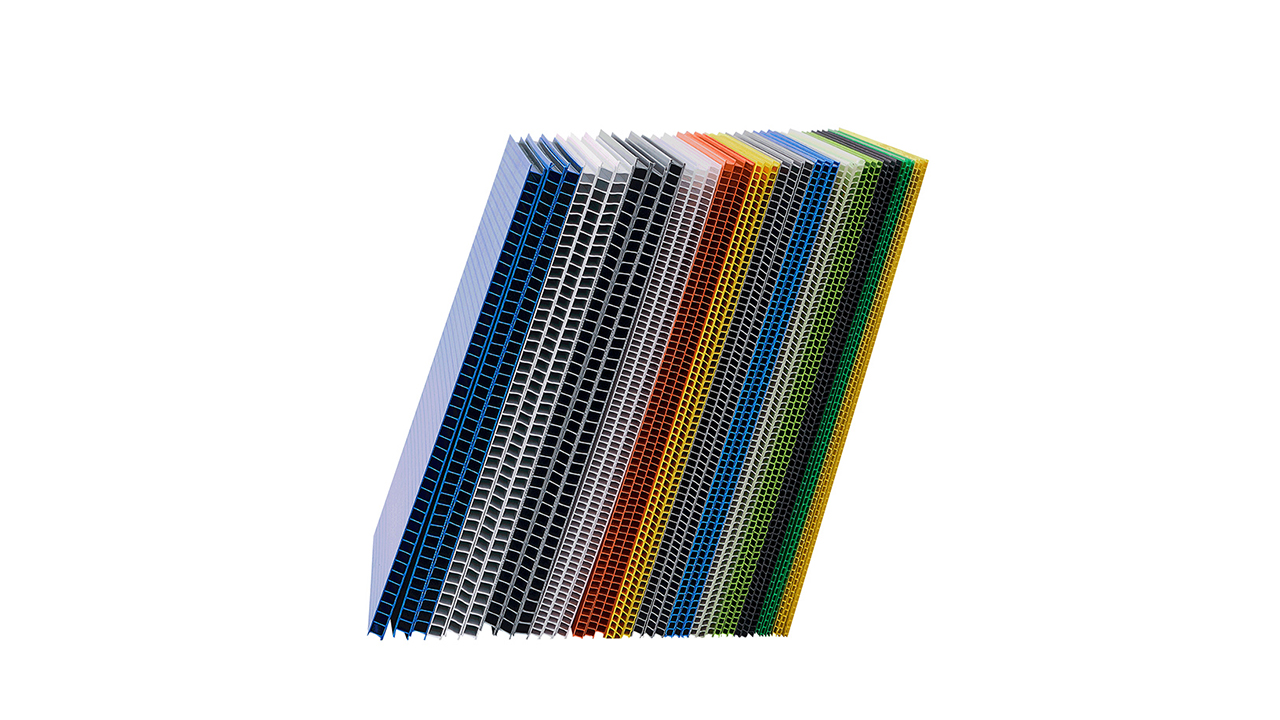
The selection of the appropriate sheet is the key to success in any project. Here are the main factors to be considered while selecting PP corrugated sheets:
- Thickness
- Weight
- Smoothness of the surface
- Resistance to UV
- Corona treatment
- Colors available
- Sheet sizes available
Here are the main thickness values used for outdoor sign applications:
- 2 mm for light weight indoor use
- 3 mm for promotional purposes
- 4 mm for real estate and political signs
- 5 mm when additional strength is required
If you are importing the sheets from abroad, it is better to make sure about the quality check and consistent manufacturing.
Step 2: Create Your Sign
An excellent design enhances the effectiveness of your message.
In designing the sign, you should note that outdoor signs are normally seen from about a distance of a few meters away. Make your message clear and concise so that people can understand it easily.
These are the elements that must be included in your design:
- high quality graphics
- large readable font
- Contrast colors
- Logo of your company
- Contact details
- Call to action
Step 3: Preparing the Surface for Printing
When you are preparing to print, ensure that the PP corrugated sheets are in good condition by examining them.
Clean any dust and dirt off the surface that may cause poor-quality prints. If the sheets have been corona treated, it means they will have better ink retention properties. This will help reduce peeling, fading, and defects during printing.
Step 4: Print the Graphics
There are a variety of printing techniques that can be employed to make a great corrugated plastic sign. UV printing produces vivid images and is also weather-resistant; screen printing excels at producing large volumes of prints; and digital printing provides great versatility and customization options. Regardless of the type of print chosen, using top-notch PP corrugated sheets guarantees superior results.
Step 5: Cut the Finished Sign
After the printing process, you can cut the PP corrugated sheets into the desired sizes and shapes. You can determine which cutting tools to use depending on the amount of signs you are manufacturing:
- Small-scale production (1-100 signs per day): Utility knife, rotary cutter, and ruler for simple designs.
- Medium-scale production (100-1,000 signs per day): Electric cutter, die-cutting machine, or digital cutting system.
- Large-scale production (more than 1,000 signs per day): CNC router and automatic cutting system.
A perfect cut gives clean edges and ensures minimal wastage of materials.
Step 6: Installing the Hardware
The majority of outdoor signs are held up by H-stakes made of metal.
Since the material of the corrugated plastic is fluted, inserting the stakes is not hard; you will have to push the stake into the vertical slots of the sheet.
A couple of things to remember:
- The fluting should be in the vertical direction.
- The sign needs to be placed level.
- The stake should be pushed in fully.
- There should be enough support from the ground.
Step 7: Quality Control
After completing the products, inspect them carefully before making them available for sale.
Check for:
- Proper color reproduction
- Good print quality
- Proper ink adhesion
- Absence of scratches
- Clean edges
- Correct size
- Right packaging
Quality control is essential in reducing complaints from your customers.
3. Common Mistakes You Should Avoid
- Poor Quality Material Selection
Poor quality PP corrugated sheets usually bend, crack or produce poor print results.
- Ignoring Surface Treatment
Not doing proper surface treatment like corona treatment may result in ink failing to bind with the sheets.
- Choosing the Wrong Thickness
Inappropriate thickness selection may reduce durability or increase costs unnecessarily.
- Poor Graphic Design
Design that overcrowds makes it difficult to read the message. Keep the message readable.
- Weak Export Packaging
Export packaging not made of tough materials may cause scratches and bends. Tough packaging helps keep your products intact up to their destination.
4. Frequently Asked Questions
Q1. How Long Do Corrugated Plastic Signs Last?
The longevity of your corrugated plastic signs depends on the quality of the materials used, how the printing is done, the weather conditions they will be subjected to, and how much UV they are exposed to. Using tough PP coroplast sheets with UV printing could result in up to one to three years outside.
Q2. What thickness is best for outdoor signs?
Most outdoor signage projects use 4 mm PP corrugated material. This material provides the ideal combination of strength, longevity, weight, and cost. It is strong enough to survive outdoor environments but not too heavy to be printed, transported, and installed.
Q3. Can you print directly onto corrugated plastic?
Yes. If treated properly on its surface, UV flatbed, screen, and digital printing will all work well.
Q4.Which ink should be used on PP corrugated signs?
The best option would be UV curable ink since it provides good adhesion properties, brilliant colors, and high resistance to weather conditions. Screen printing inks for polypropylene can be considered as an alternative for bulk orders.
Q5.Can you make custom-shaped corrugated plastic signs?
Yes, you can actually create custom shaped corrugated plastic signs through CNC machines or even digital cutters. You can create all sorts of different custom designs, logos and shapes with these machines.
Q6.What are the available sizes for standard signs made from corrugated plastis?
The most popular sizes include 18″ x 24″, 24″ x 36″, and 36″ x 48″. However, the size can be customized according to your customer’s specifications.
5. Conclusion
In order to manufacture the best corrugated plastic signs, it is important to use high-quality PP corrugated sheets and ensure professional manufacturing processes. This way, you will offer customers durable signs that meet their standards. For more information visit us at Purepack.