
Each step of the manufacturing process influences the strength and performance of the sheet. Here is all you need to know about the whole manufacturing process of PP corrugated sheets and aspects that should be considered.
1. What Are PP Corrugated Sheets?
Corrugated PP sheets, which can also be referred to as polypropylene hollow sheets,coroplast or Corflute sheets, are light-weighted, durable, and recyclable plastic sheets. The hollow structure of the sheets makes them extremely strong without being heavy. The sheets are commonly applied in packaging, bottle linings, flooring during construction works, advertisements, automotive returnable packaging, and logistics.
2. 10 Steps to Manufacturing PP Corrugated Sheets
Step 1: Selecting Excellent Quality Raw Material
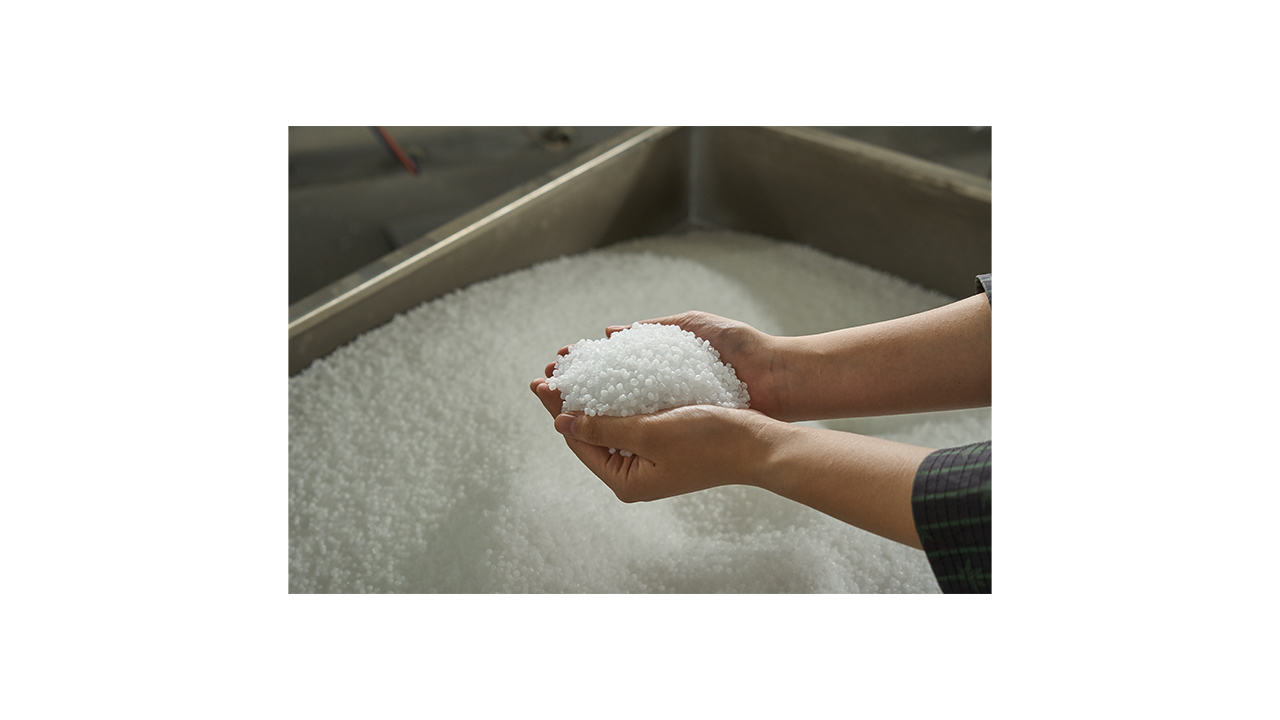
PP corrugated sheets are manufactured using 100% virgin PP resin, recycled PP resin, or a combination of both depending on the desired quality and performance requirements.
High quality PP corrugated sheets are manufactured using mainly virgin PP resins. Even though it is possible to use recycled material in certain applications, food-grade and export products require more pure PP. In case you require strong and clean material, you can use the sheets that contain more pure PP.
Step 2: Mixing Raw Material and Additives
Even before the first sheet comes off the production line, PP pellets are mixed with several additives that improve durability, safety, aesthetics, and functionality.
Additives used are:
- UV protectors:Protect the sheets from exposure to sunlight, keeping them from fading, cracking, and deteriorating when used outdoors.
- Anti-static additives: Minimize the presence of static electricity, vital for electrical equipment and fragile items.
- Flame retardant additives: Increase fire resistance, particularly important in industries and construction.
- Color master-batch: Ensure consistency in color and appearance.
- Anti-ageing additives: Extend product lifespan by protecting against heat and external damage.
- Conductive additives:Handle static electricity in packaging electronics and semiconductors.
- Food grade additives: Make the material safe for food packaging and beverages.
Today, most manufacturers have dosing machines that automatically mix these additives, ensuring consistency in quality and performance in all products.
Step 3: Melting and Extrusion
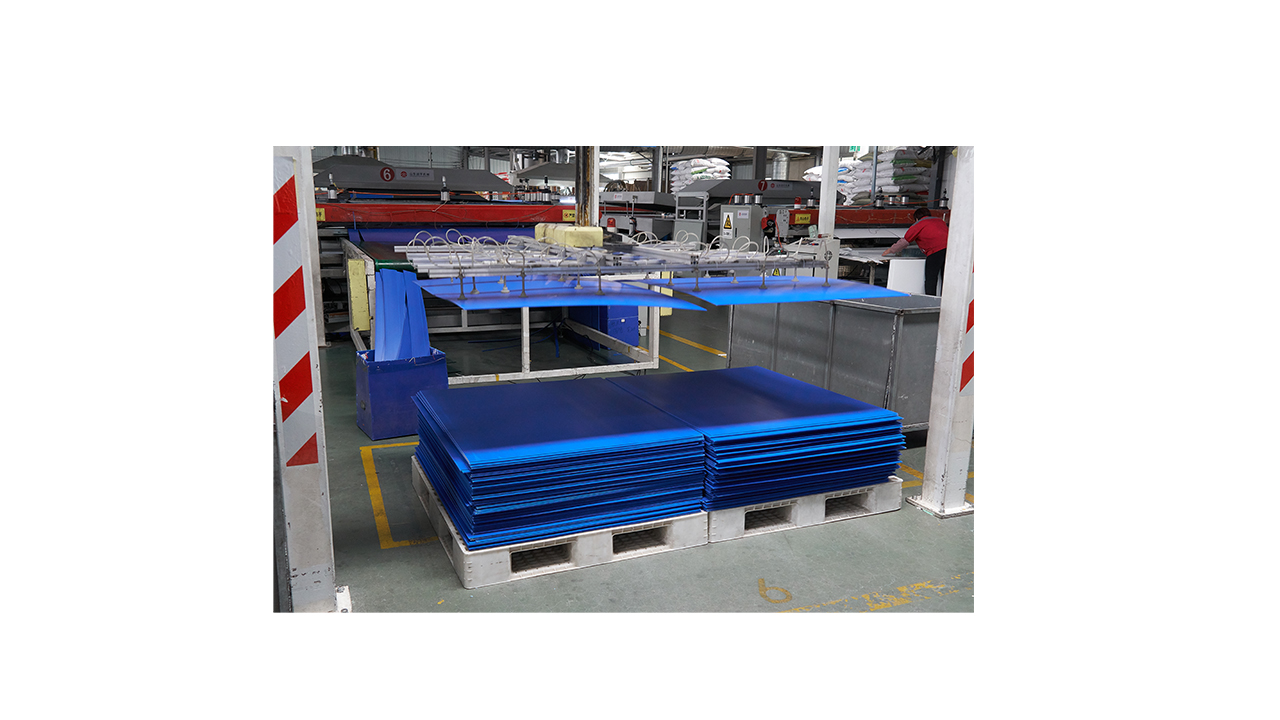
This step lies at the very core of the entire manufacturing process. The polypropylene pellets enter the extruder and become melted into a smooth and liquid substance.
The extruder uses the screw system that melts, mixes, and pushes the material forward at constant pressure.
Temperature and pressure control is important in order not to affect the quality of the sheet produced.
The process depends heavily on:
- Temperature: 180-230°C (barrel & die temperature)
- Pressure: 80-200 bar (8-20 MPa) when extruding
- Screw speed: 20-80 rpm depending on sheet thickness and output
- Flow of material: 100-600 kg/hour depending on capacity of extruder line
Step 4: Creating the Hollow Structure
After exiting the extruder, the melted plastic falls into a specially designed die.
The die forms the unique double wall structure that makes PP corrugated sheeting such an exceptional combination of strength and weightlessness.
In liquid form, the ribs serve as silent protectors against compression while reducing material usage and providing the durability you need for your PP corrugated sheet applications.
Step 5: Cooling and Calibration
After the sheet has been formed, it undergoes vacuum calibration and cooling process. The temperature of the cooling water should be maintained at a range of 15-25°C. The vacuum pressure needs to be adjusted at a point between 0.02-0.08 MPa while the production speed should be controlled at around 3-15 m/min.
At this point, the manufacturer adjusts the following factors concerning the sheet:
- Thickness of the sheet,
- Width of the sheet,
- Flatness of the sheet,
- Smoothness of the sheet,
- alignment of the ribs within the sheet.
Step 6: Corona Treatment (Optional)
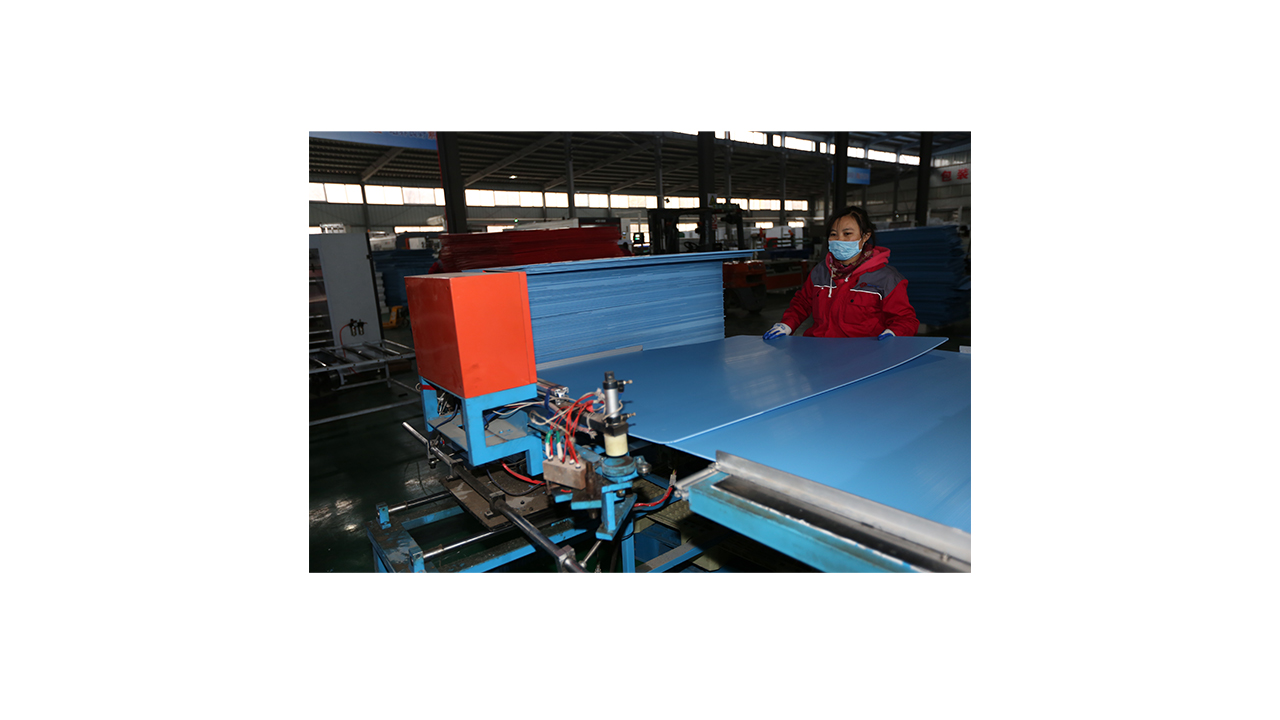
If the sheets are to be printed, then they are subjected to corona treatment.
Since polypropylene has a very low surface energy level, the ink and glue do not stick properly to it.
With corona treatment, the surface energy becomes temporarily higher to allow:
- UV printing: This technology involves using ultraviolet light to instantly harden the ink on the surface of the sheet, providing you with vivid colors, sharp imaging and long-lasting graphics for your applications.
- Screen printing:Used to print ink on the sheet using a mesh screen. Screen printing is best suited for your logos, simple design, and for areas needing solid ink coverage.
- Digital printing:Print on your PP corrugated sheets through digital means, allowing you to produce images and designs that can be customized to fit your personal or professional needs.
- Lamination:It involves putting a protective layer on your sheets, improving your looks, durability, water-resistant properties, and scratch-resistant properties among other advantages depending on your needs.
- Gluing: is a method of binding together pp corrugated sheets with other components using adhesive properties. This helps you develop your own packaging design, assemble products, and meet your special requirements.
Otherwise, the print may peel off or fade early on.
Step 7: Cutting to Size
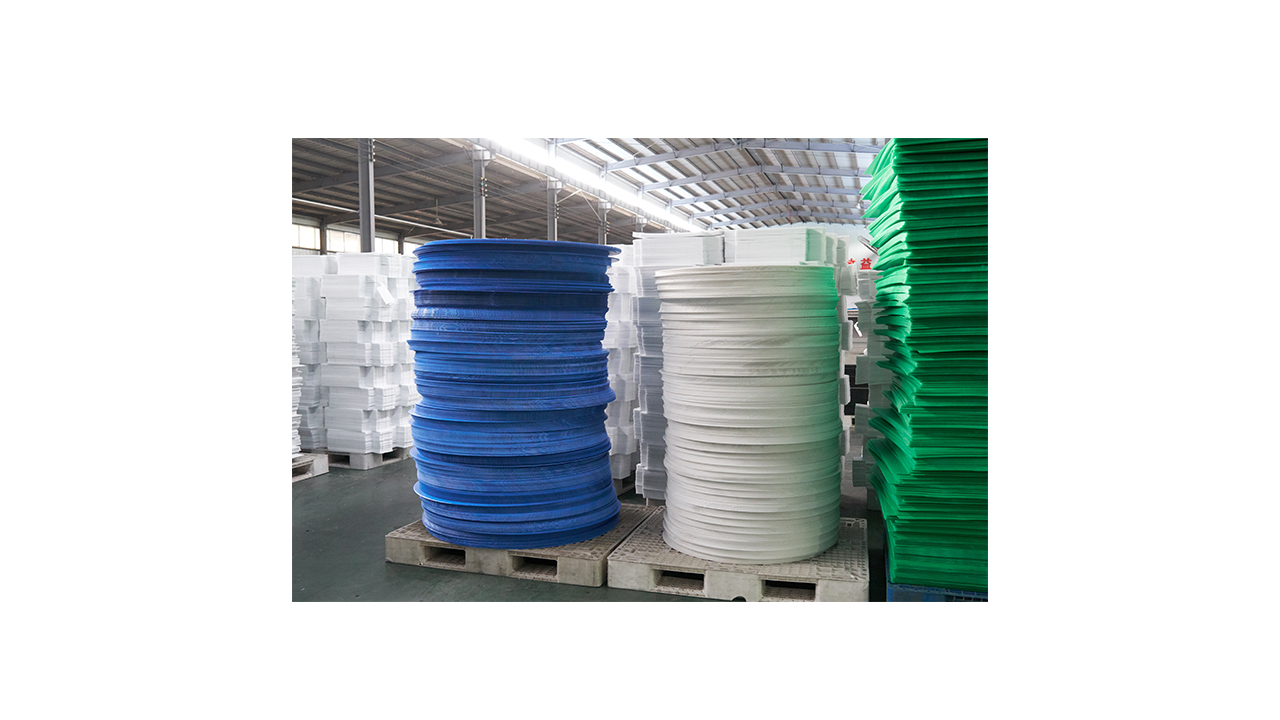
The sheet, when cooled, is fed into the automatic cutter.
The dimensions can be tailored to suit any specification by manufacturers.
Some common thicknesses include:
- 2mm to 12mm
There are options for custom widths and lengths as well.
Precision in cutting ensures accuracy and prevents wastage of material.
Step 8: Secondary Processing
Once PP corrugated sheets come out of the manufacturing process, you may prefer additional processing to make your sheets fit your specific needs.
Depending on the particular product, the manufacturer may provide the following processes:
- Die-cutting: making sheets of the right shape and size for packaging, dividers, displays etc.
- Welding: welding plastic parts to manufacture boxes, containers, and partitions.
- Folding: adding creases that facilitate the folding of sheets in the process of constructing boxes and other forms of packaging materials.
- Edge sealing: sealing the opened up channels to prevent dust, moisture, insects and other contaminants from getting inside the hollow channels.
- Riveting: attaching straps, handles, reinforced corners, and other accessories that increase durability.
- Assembly: providing completed items through the assembly of boxes, totes, dividers, and other customized packaging products.
- Printing: printing the client’s company logo, product information, bar-code, instructions or anything else using screen printing, UV printing and digital printing.
- Box fabrication: manufacturing reusable customized boxes from flat sheets for logistics, agriculture, automotive, food and industrial packaging applications.
For example, layer pads have sealed edges for increasing sanitation and preventing dust and moisture from entering the hollow channels. The reusable packaging boxes may have handles, partitions, lids and customized inserts to protect goods during transportation and storage.
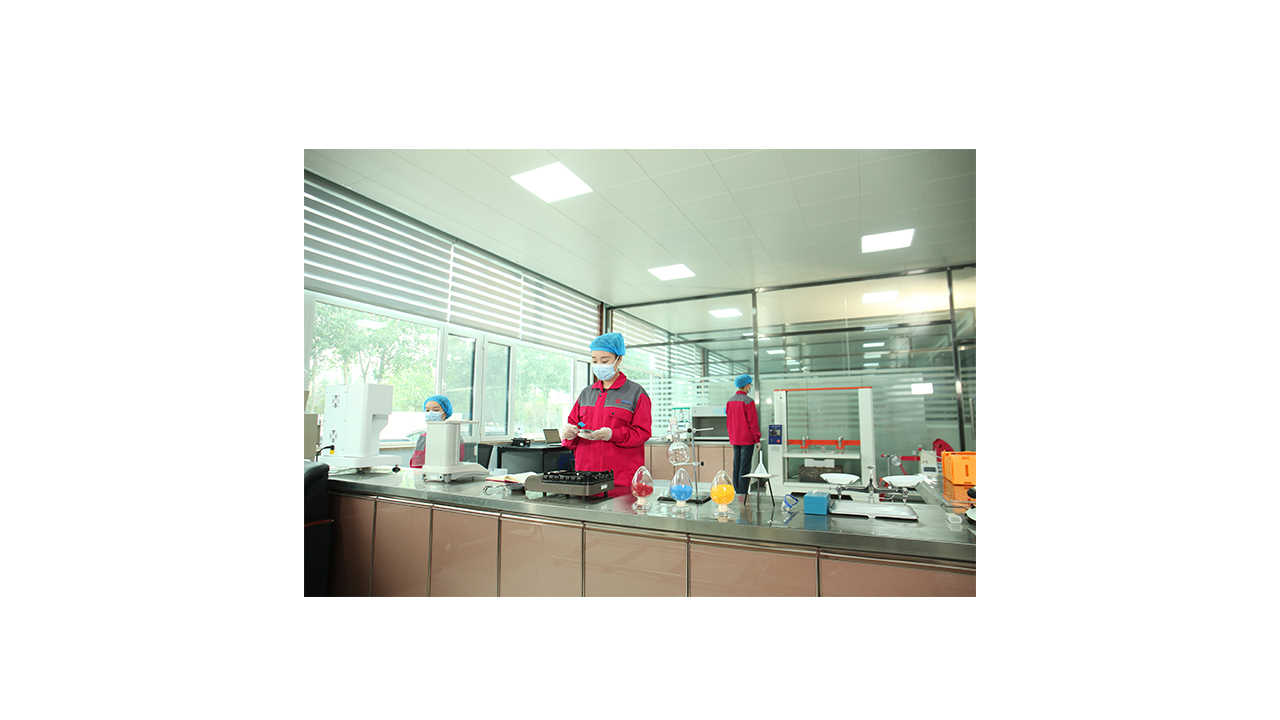
Step 9: Quality Inspection
Quality inspection is an important activity for the best companies in all stages of production. The continuous effort ensures that the product is defect-free and also maintains consistency in its performance and appearance.
The common inspections include:
- Thickness check:It is performed using a digital thickness gauge to make sure that the sheet does not go beyond the allowed thickness deviation.
- Weight check:Weighing of each sheet proves that its density is equal to the allowed GSM (grams per square meter).
- Surface check:Visual control of the presence of scratches, bubbles, dents, contamination or other surface defects.
- Color check:The color is compared with the sample or standard one in order to guarantee the uniformity.
- Dimensional check: Measuring the length, width, and squareness according to the customer’s specification.
- Compression test:The sheet is subjected to the certain pressure in order to be able to withstand the needed load.
- Impact test: Impact resistance test is performed to check the sheet’s ability not to break when it is being transported and handled.
- Flatness check:Sheets are inspected for being flat without any warps or curls.
Random samples are taken from each batch throughout manufacturing to check whether it meets the client’s requirements.
Quality inspection helps to avoid defects, to preserve the product uniformity and to make sure that each delivery meets the agreed specification.
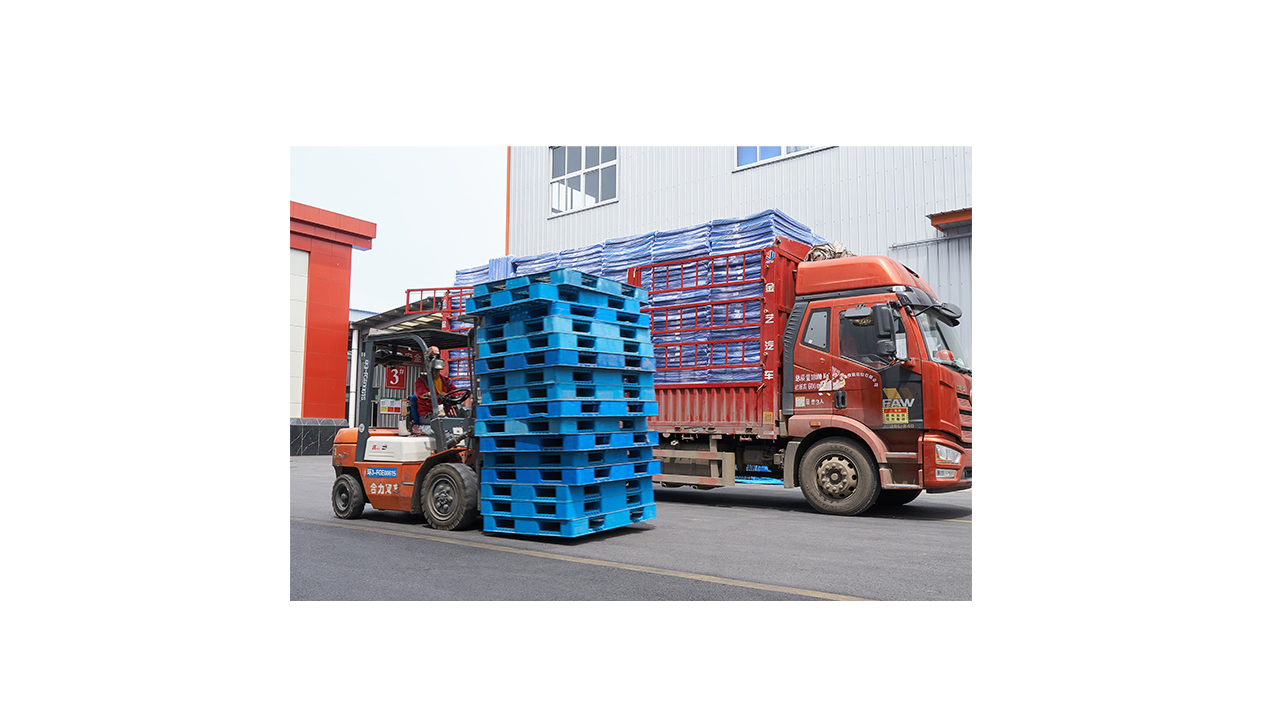
Step 10: Packing and Shipment
The completed sheet products are stacked, packed, and palletized before being shipped.
The export packing design is made specifically to protect the product throughout the journey.
Depending on your requirements, exporters may use
- Film
- Stretch wrap
- Corner guards
- Wood pallets
- Labels
- Bar-codes
Careful packing prevents damage in the ocean shipping process.
3. Common Manufacturing Defects,Reasons and Solutions
| Defects | Reasons | Solutions |
| Deformed Sheets | l Improper cooling l Incorrect calibration l Unfavorable storage conditions | l Ensure your supplier maintains proper settings on cooling. l Ensure that calibration is done accurately during production. l Keep your sheets stored flat and dry in the right environment. |
| Fractured Edges | l Too much recycled material, l Cheap and poor-quality resin, l Incorrect processing temperatures. | l Choose sheet with proper amount of recycled material ratio in accordance with application requirements l Ensure that your supplier uses high quality PP resin l Ensure processing temperature is kept within the proper limits |
| Uneven Colors | l Improper material mixing l Poor-quality pigments l Inconsistency of batches | l Ask your supplier for color standards l Make sure that high-quality pigments are used l Check the consistency of the batches |
| Poor Compression Strength | l Bad ribs l Weak walls of sheets l Improper extrusion pressure.
| l Select sheets having ribs that suit your process l Ensure that your supplier has controlled wall thickness l And Set up proper extrusion pressure during the process |
4. Most Commonly Asked Questions
Q1. Why does speed during production impact PP corrugated sheets?
Because speeding up production makes everything more efficient, but it also demands that your system is more stable and able to cool the material. When you speed too much and surpass what your machinery can handle, your sheets become of bad quality.
Q2. How are colors added during PP corrugated sheet production?
The coloration is done through the introduction of the color master-batch to the polypropylene resin during the extrusion process. The color master-batch will be distributed equally while melting and ensuring that the resulting sheet is evenly colored.
Q3.What advantages come from combining 100% virgin PP with recycled PP?
Combining virgin PP with recycled PP will allow you to balance quality, performance, and pricing. Virgin PP is durable, reliable, and good-looking, whereas recycled PP is sustainable and cost-effective if used in the proper proportion.
Q4. Is one production line capable of producing various thickness?
Yes. Modern PP corrugated sheet extrusion lines have the capability to produce sheets of varying thicknesses depending on the settings of the machine, extrusion processes, and calibration.
Q5. What is the best packaging approach to use after the sheets have been manufactured?
It really depends on the transportation and storage of the products. Normally, the process involves stacking the sheets and covering them with protection film before strapping and placing them onto the pallets.
5. Conclusion
The understanding of the PP corrugated sheets production process will assist the you in selecting reliable factories and obtaining good-quality products. Besides being cost-effective, you should consider other factors such as material, knowledge, quality control and customization capabilities. We offer quality solutions, free samples, and professional consultation.
To learn more about our premium PP corrugated boxes, check out Purepack.