
Knowing the basic three categories of polypropylene products will definitely be useful to you when making your purchases abroad. They include homo polymer PP, block copolymer PP, and random copolymer PP.
1. What is Polypropylene?
Polypropylene (PP) is a thermoplastic material made from monomers such as propene (propylene) having the chemical structure (C₃H₆)ₙ. PP is a member of the polyolefin group and it is lightweight, tough, moisture-proof, chemically resistant, and inexpensive.
Three kinds of PP polymers can be defined based on the orientation of methyl groups (CH₃):
- Atactic Polymer (aPP): Here, the methyl groups are randomly oriented along the polymer chain.
- Isotactic Polymer (iPP): Here, the methyl groups are mostly oriented on one side of the carbon chain.
- Syndiotactic Polymer (sPP): Here, the methyl groups are alternatively oriented along the carbon chain.
Isotactic polypropylene is widely used in commercial industries. You can use PP in your packaging, automobile parts, signs, industrial goods, consumer items, textiles, floor protection sheets and PP Corrugated sheets.
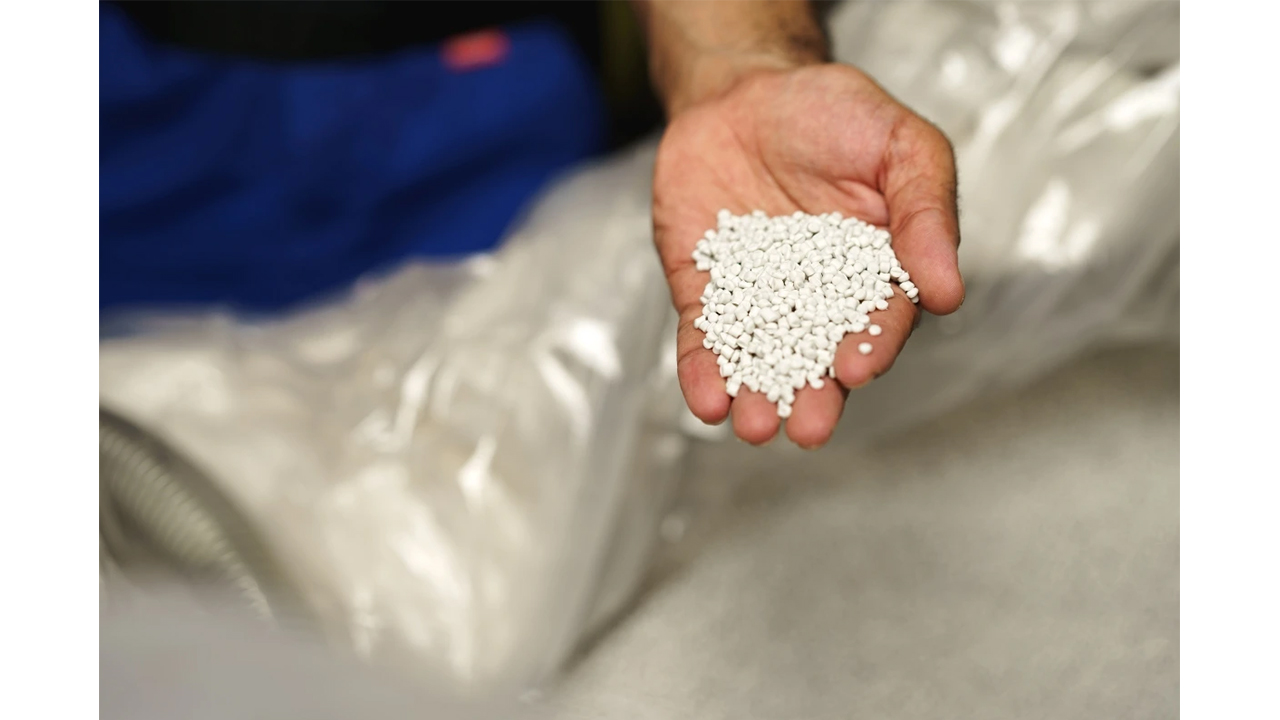
2. Different Types of Polypropylene: Characteristics,Parameters and Applications
1. PP Homopolymer (PP-H)
Characteristics:
PP homopolymer mainly consists of propylene monomer and shows high stiffness, strength, chemical resistance, water resistance, and heat resistance.This type is recommended for your PP corrugated sheet that must be stiff and retain its shape.
Parameters to look for:
- Density: ~ 0.90-0.91 g/cm3
- Melting point: ~ 160-165oC
- MFR/MFI: describes flow characteristics of the material 1-12 g/10 min
- Tensile strength: the strength of the material 30-40 MPa
- Flexural modulus: stiffness of the material 1200-1800 MPa
- Impact strength: toughness 2-8 kJ/m2
Common application:
This material can be used in packaging, containers, automotive parts, and industrial products. This material can provide stiffness, toughness, and lightweight property to your PP corrugated sheets.
2. PP Block Copolymer (PP-B)
Characteristics:
PP block copolymer is made up of propylene (mostly 90%-97%) along with ethylene (3%-10%). This compound is stiffer, stronger, tougher, more durable and resistant than normal PP. PP-B is a good choice if you need material with high impact resistance and toughness.
Parameters to look for:
- Density: ~ 0.90-0.91 g/cm3
- Melting point: ~ 160-165oC
- MFR/MFI: it affects the processability and manufacturing speed 0.5-15 g/10 min
- Tensile strength: indicates the mechanical strength of the material 20-35 MPa
- Impact strength: this is the key characteristic for PP-B 8-30 kJ/m2
- Flexural modulus: stiffness of the material 800-1500 MPa
Common application:
It can be used for making automotive parts, storage boxes, household appliances, industrial packaging, and heavy-duty PP corrugated boxes.
3. PP Random Copolymer (PP-R)
Characteristics:
PP random copolymer is basically composed of propylene (95-98%) along with ethylene (2-5%) that is randomly mixed within the polymer chain. PP random copolymer is more flexible, clear and has better chemical resistance than PP homopolymer. You use this type when your product requires improved appearance or flexibility.
Parameters to look for:
- Density: 0.89-0.91 g/cm³
- Melting point: usually lower than PP-H: 130-150°C
- MFR/MFI: effect on flow and processability 0.5-10 g/10 min
- Tensile strength: indicator of strength 20-35 MPa
- Impact strength: indicator of toughness 4-15 kJ/m²
- Flexural modulus: 700-1,300 MPa
- Haze/Clarity: important when appearance or transparency matter for you.
Common application:
It can be used for making packages, containers, films, pipes, consumer goods, and other applications where your product needs flexibility or improved appearance.
To summarize:
PP-H = Stiffness and Strength
PP-B = Toughness and Impact Resistance
PP-R = Flexibility and Clarity
3. PP Homopolymer vs. Copolymer: What Is the Difference?
| PROPERTY | PP HOMOPOLYMER | PP BLOCK COPOLYMER | PP RANDOM COPOLYMER |
| Main composition | Propylene | Propylene + ethylene | Propylene + very small amount of ethylene |
| Stiffness | High | Medium-high | Medium |
| Impact resistance | Moderate | High | Good |
| Flexibility | Lower | Good | Higher |
| Clarity Lower | Lower | Lower | Better |
| Chemical resistance | Excellent | Excellent | Excellent |
| Heat resistance | High | High | Medium-high |
| Typical density | 0.90–0.91 g/cm³ | 0.90–0.91 g/cm³ | 0.90–0.91 g/cm³ |
| Applications | Rigid packaging, containers, industrial goods | Automotive components, durable containers, heavy duty packaging | Films, containers, pipes, translucent packagin |
For your application, your requirements will be based on the property requirements that matter most to you: stiffness, impact resistance, flexibility, or aesthetics. Be sure to get the specific grade from your supplier because different grades will vary in properties.
4. How Can You Choose the Right PP Type?
When you are choosing a PP grade, start with defining the application and needed properties, such as stiffness, impact resistance, flexibility, clarity, heat resistance, and durability. Choose PP homopolymer if you need higher stiffness, PP block copolymer if you need better impact resistance, or PP random copolymer if you need improved clarity and flexibility.
Ask your supplier for the accurate PP grade information and specifications before making an order.
Here are some common references:
- Virgin PP: preferable 90-100%; content of recycled material is based on your needs.
- Density: about 0.89-0.91 g/cm³.
- MFR:generally around 1-10 g/10 min for most extrusion PP grades; make sure of the specific grade needed for your process.
- Tensile strength: about 25-40 MPa, depending on the grade.
- Impact strength: make sure you know the measured value and test procedure, especially for high-impact products.
- Melting point: around 160-165°C for most PP grades, while random copolymers may have a lower melting point.
Your supplier should provide you with the technical data sheet (TDS), certificate of analysis (COA) and other test reports. For PP corrugated sheets, also make sure you know the thickness, weight, size, carrying capacity, additives, UV protection, color, printability, etc.
5. Frequently Asked Questions
Q1.Does PP grade affect the cost of your final product?
Yes. The PP grade that you use affects your final product cost. Recycled PP is generally the cheapest, around USD 0.80-1.10/kg; virgin PP: USD 1.00-1.40/kg. Prices vary by your specification, supplier, and quantity.
Q2.Which PP type is better for printing?
When it comes to printing on your PP corrugated sheets, random copolymer is the best choice. You could also use homopolymer, but block copolymer is the least preferred. Your surface treatment and printing process are also very important.
Q3.Which PP type should you choose if your product will be exposed to freezing temperatures?
Block copolymer grades are usually suggested where higher toughness at low temperatures is needed. You need to pay attention to the low temperature impact resistance of the material and not only the kind of PP itself.
Q4. What are the advantages and disadvantages of PP Plastic?
With PP plastic, you get a light, cheap, water-resistant, chemical resistant and tough plastic. You also get good fatigue resistance and good processability. The disadvantage of PP is poor UV resistance, brittleness at low temperatures and lesser stiffness compared to some engineering plastics.
Q5. How do additives improve PP properties?
Additives will assist you in making your PP more resistant to UV light, thermal degradation, impact, flexible, and flame resistant. Antioxidants will stop your material from breaking down, UV stabilizers will protect your PP from sunlight, and nucleating agents will give your PP stiffness and clarity.
6. Conclusion
By understanding the 3 types of PP, which include PP homopolymer, PP block copolymer, and PP random copolymer, you will be able to make better sourcing decisions. Your supplier must be able to give you clear specifications of the material and the product. Visit us at PurePack. We are experts in PP corrugated sheets.