
To join corrugated plastic sheets can be helpful for making boxes, partition walls, display stands, protecting panels, and much more. Each of these applications needs a different technique of joining depending on your purpose, the strength needed, volume, and tools that you have. In this article, you will learn five ways of joining PP corrugated sheets.
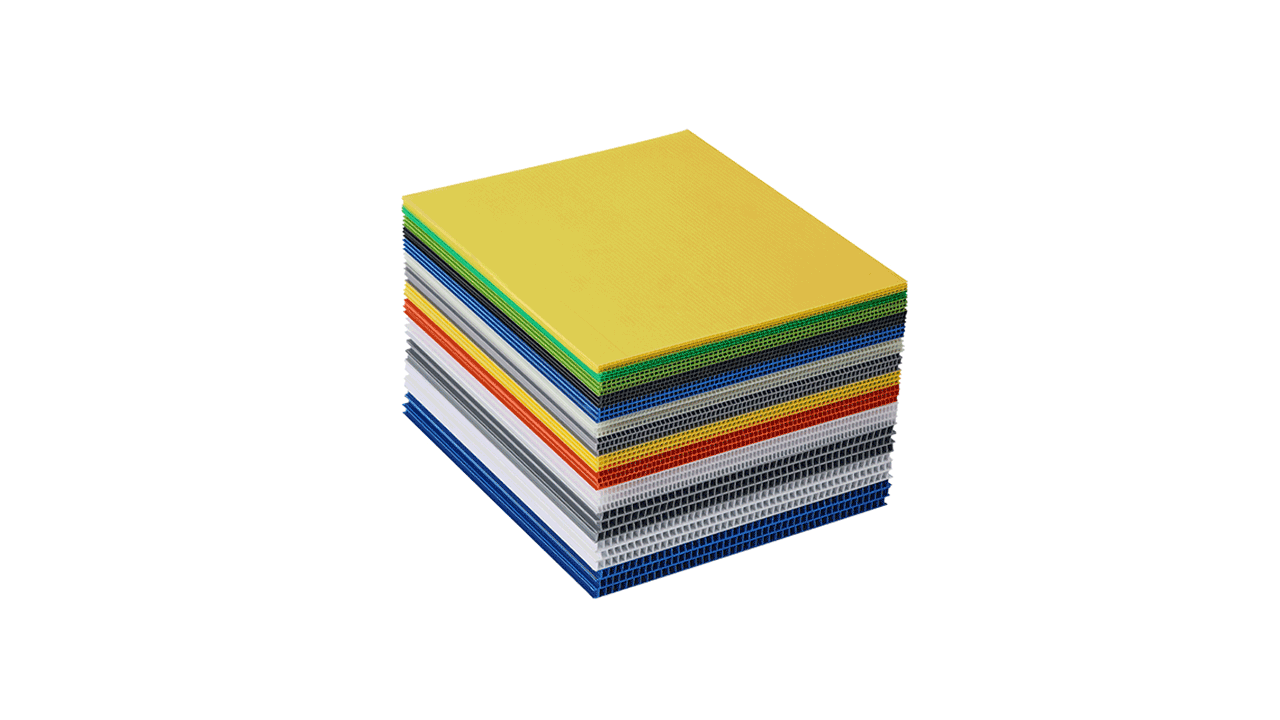
1. What Is the Best Way to Join Corrugated Plastic Sheets?
Not all ways will be right for every case.
Here are 5 popular ways of joining corrugated plastic sheets:
- Welding of plastics
- Riveting and mechanical fasteners
- Screws, bolts, and nuts
- Gluing and tapes
- Connectors and clips
Your decision should depend on several factors: strength requirements, cost, time of production, look of your work, and reusability of the final product.
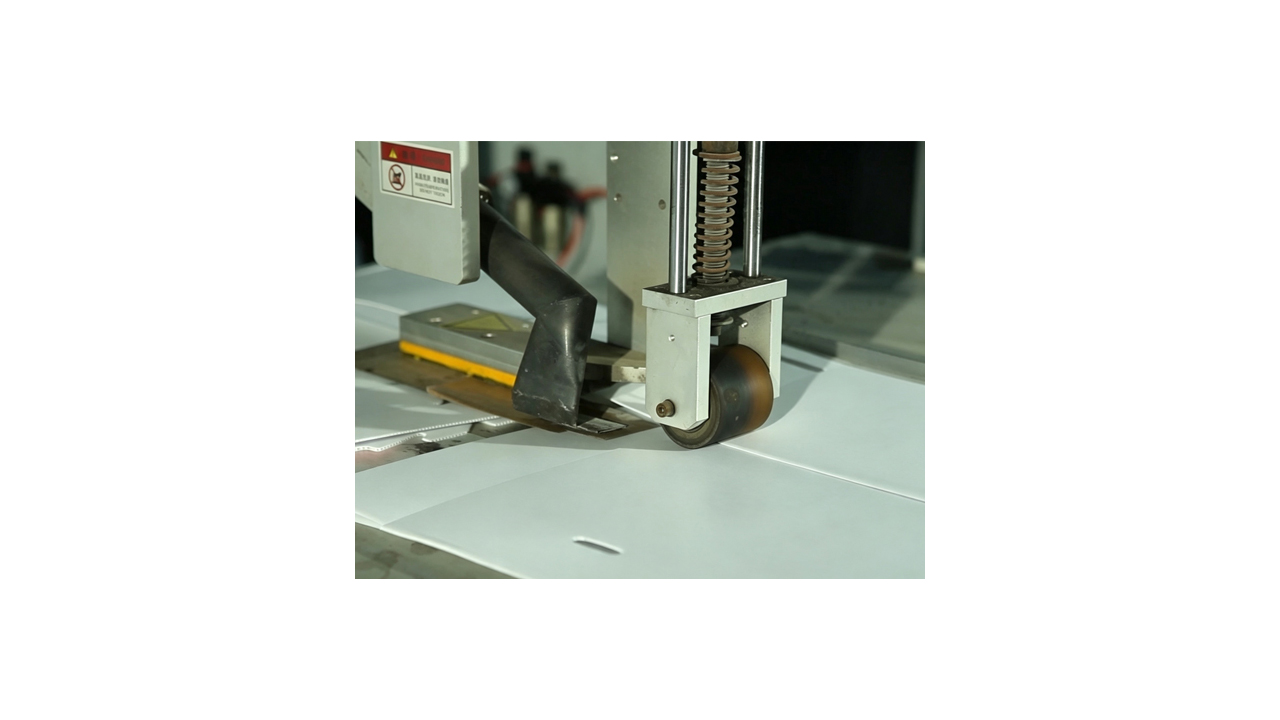
Welding
Before welding the PP corrugated sheets, start by ensuring that you align and fix the sheets to be joined properly. Heat up the PP surface using an appropriate hot-air welding machine to allow it to melt down. Continue moving the welding gun along the joint while applying the necessary PP welding rod if required. Allow your joint to cool before handling.
Plastic Welding Advantages:
– Makes a strong joint
– Can be used in permanent assemblies
– No metal fasteners required
– If done properly, gives clean results
– Can be used for industrial purposes in some cases
What do you need to consider?
Plastic welding needs special tools and controlled temperature; otherwise, excessive heat can damage the sheet, destroy the flute or influence the surface.
Before you start manufacturing large amount of boxes or other parts, you need to test the welding parameters.
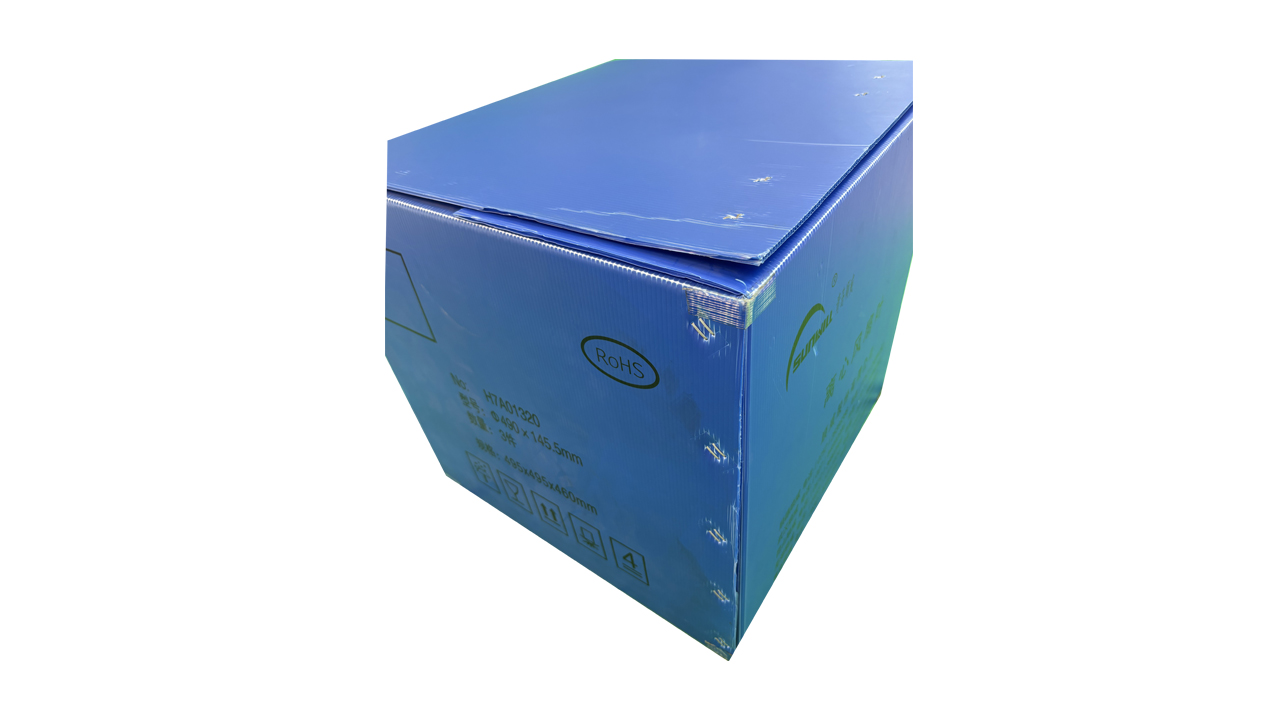
Rivets and Mechanical Fasteners
Arrange your PP corrugated sheets and determine your fastening points. Create appropriate-sized holes using a drilling or punching machine while ensuring that they are away from the edges. Line up your holes, place the appropriate rivets in, and fasten the rivets with the help of a rivet tool. Be careful not to exert too much force on the rivet, which can crush your corrugated flutes or deform your sheets.
What is so good about riveting?
– It is easy to perform
– The process is relatively cheap
– Riveting can be used in various applications
– There are several types of rivets with different properties
– Rivets can be used in cases where mechanical connection is required.
You should be careful about flute structure during such fastening because excessive force will result in its deformation.
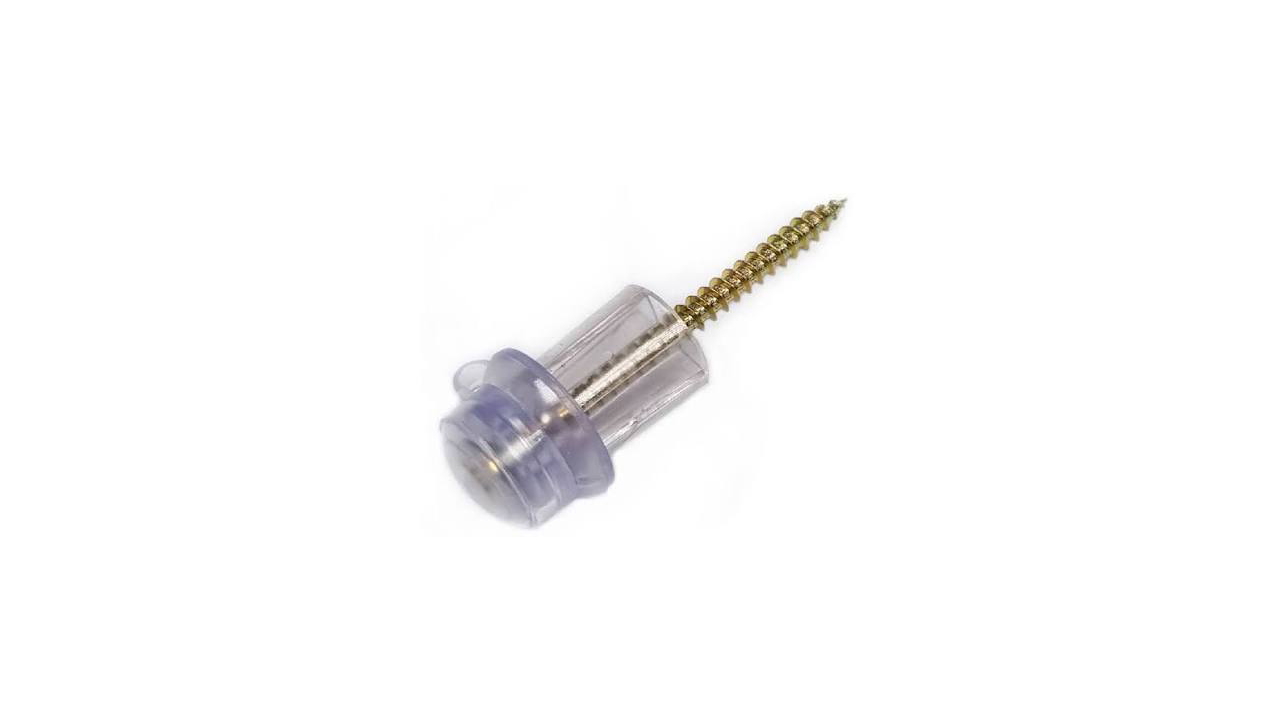
Screws, Bolts, and Nuts
Line up your PP corrugated sheets and identify where you will fasten them. Drill holes which fit the screw or bolt that you have chosen. Insert your screws/bolts into the holes. If using bolts, attach the washer and nut to them and tighten them firmly but not too tightly to avoid damaging the sheet.
Some examples where this could be useful include making:
– Temporary walls
– Reusable exhibits
– Covers
– Enclosures
– Prototypes
– Modular constructions
Remember not to tighten screws and bolts too much because of the low weight of PP corrugated sheets. This can make the flutes get crushed or damaged around the holes.
Also, depending on the size and weight of your construction, you might need additional reinforcement.
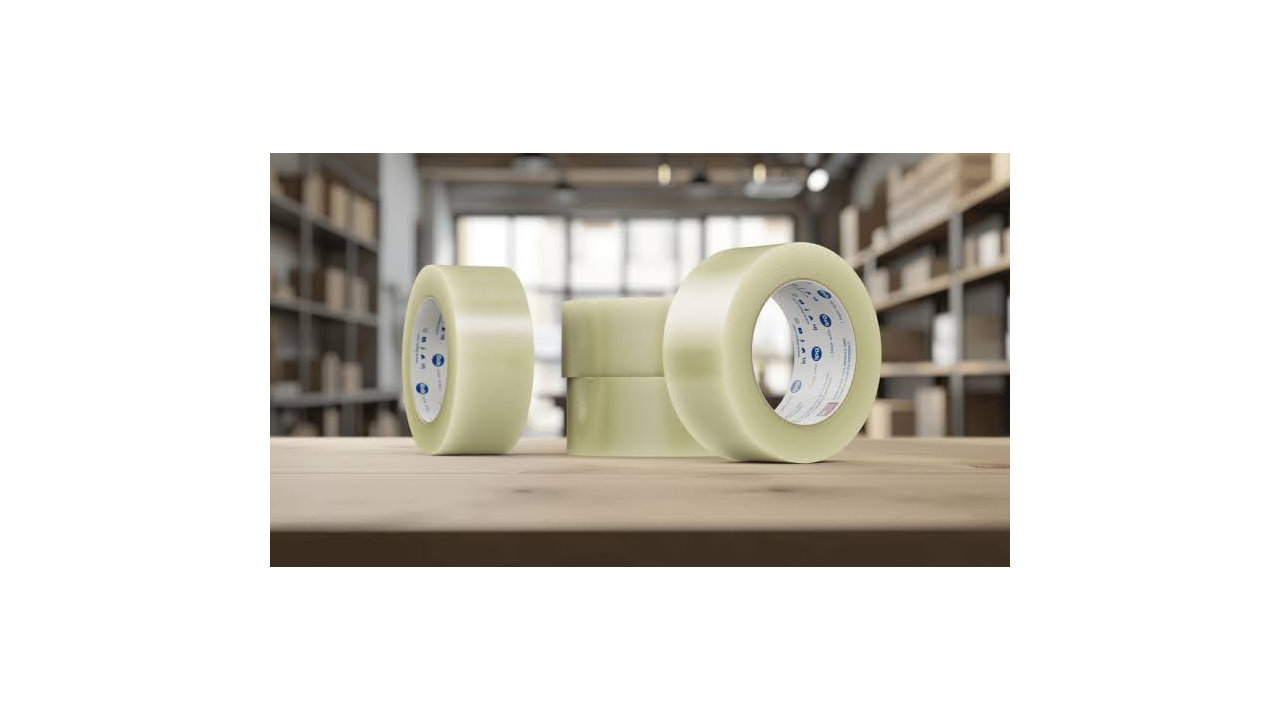
Gluing and tapes
PP surfaces must be cleaned and dried before joining.
You have several choices of adhesive, depending on your needs:
– Two-part acrylic adhesive: It gives you excellent bonding strength, durability and environmental resistance. You need to use it whenever you require a strong and durable bond for PP corrugated sheets.
– PP compatible hot-melt adhesive: It melts on heating and solidifies upon cooling. You need to use it when you require fast assembly and manufacturing efficiency, especially suitable for packaging and light-duty applications.
– Acrylic double-sided tape: It offers you quick and clean bonding without any liquid adhesive or curing time. You should use it for light-weight products, displays, signs and applications where aesthetics is critical.
– Cyanoacrylate adhesive and PP primer: When applied with a PP primer, it offers quick bonding. You may use it when you need fast setting adhesive for bonding small areas.
While selecting your adhesive, you need to consider your bond strength requirements, curing or setting time, flexibility, temperature and moisture resistance, environmental factors and production considerations. It is always better to test your chosen adhesive with your actual PP corrugated sheets before using it for production.
Possible areas of adhesive joining use:
– Light weight display
– Signs
– Temporally installed construction
– Decorative purposes
– Low-loaded structures
Connectors and clips
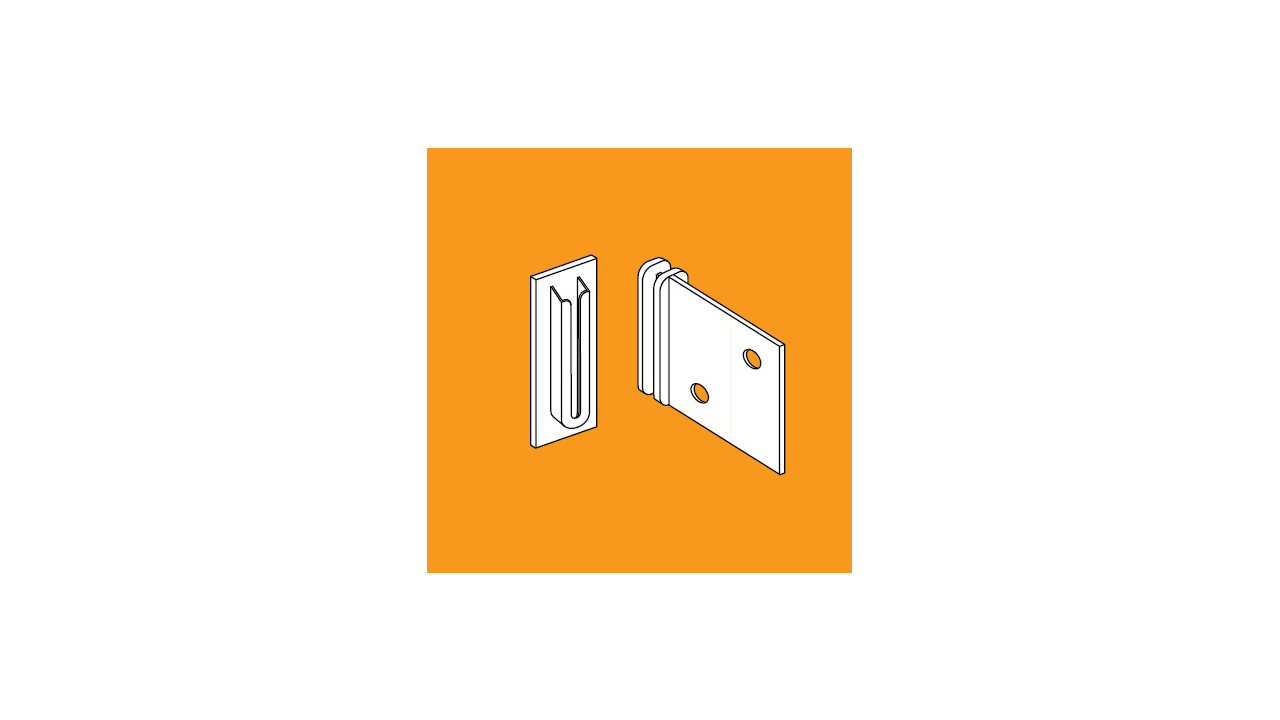
In the case of clips and connectors, you can consider plastic edge clips, corner clips, U-shape clips, H-shape connectors, L-shape corner connectors, and snap-fit connectors which are meant for specific PP corrugated sheets’ thickness. Arrange your sheets properly and fasten the correct clips at the edges or corners of the sheets. In the case of interlocking systems, you can cut slots and tabs in your sheets and insert one set of tabs in the other slot.
Such a method may be very useful in case of:
– retail displays,
– packaging,
– storage systems,
– temporary constructions,
– reusable cases, and
– promotional displays.
The main benefit of such a strategy is convenience, and you may assemble and disassemble the product very easily.
2. Your Specification Also Matters on Join Corrugated Plastic Sheets
The specifications of the PP corrugated sheet that you use will determine how easily and firmly you can join the panels. The following are the meanings of each and their impact on the panel connection.
| Factor | Impact on panel connection |
| Sheet Thickness | Thicker panels better support fasteners, thinner panels may need extra support. |
| Sheet Weight / GSM | Higher GSM provides more rigidity and lower GSM needs more connection points. |
| Sheet Dimensions | Larger panels need more connection points for secure assembly. |
| Flute Design | Flute design affects stiffness. Consider flute direction when positioning connection points. |
| Color | Mainly affects appearance. |
| Surface Finishing | Surface finishes may affect adhesion joining. |
| Printing | Avoid covering printed surface. |
| Material Quality | Good pp material ensures reliable connections. |
If you are buying PP corrugated sheets for fabrication, it is a good idea to have a discussion with your supplier regarding the finished application before you order.
3. Frequently Asked Questions
Q1. Is it possible to join corrugated plastic sheets using zip ties?
Yes, it is possible to use zip ties where there are light loads involved and the joining is only temporary in nature. You can make aligned holes in your panels and use zip ties by threading them through the holes. Be careful about over-tightening.
Q2.What temperature is required for welding PP corrugated sheets?
The typical temperature required for welding PP corrugated sheets ranges between 260 and 300 degrees Celsius (500 and 572 degrees Fahrenheit), but the best temperature to use depends on your material grade, thickness, speed, and the machine being used.
Q3.What are the most frequent errors that occur during the jointing process of PP corrugated sheets?
The following errors are often made: wrong glue is used, bolts are too tight, holes are too large, too much heat is applied, and the orientation of the flutes is ignored. In addition, you need to ensure that prototype testing is not skipped.
Q4. Is it possible to attach PP corrugated sheets to other types of materials?
Yes, it is possible to link PP corrugated sheets with materials like metal, wood, or any other type of plastic. Various methods include mechanical fastenings, clips, adhesives, or mounting systems. It all depends on your choice of materials and the purpose of their use.
4. Conclusion
It’s easy to join PP corrugated sheets once you choose the appropriate process based on your needs. Regardless of whether you decide on welding, riveting, screws, glue, or connectors, your choice should be determined by strength, cost-effectiveness, longevity, and the process of production. Right choice of the sheet thickness and specifications will also contribute to this end.
Visit us at PurePack for more information.