
If you are looking for lightweight, durable, and reusable packaging materials, then plastic PP corrugated boxes may be a good choice. These types of boxes are very common in industries like agriculture, automotive, electronic, logistics, and industrial packaging. This article describes the procedure of making such plastic boxes from start to finish.
1. What Are PP Corrugated Boxes?
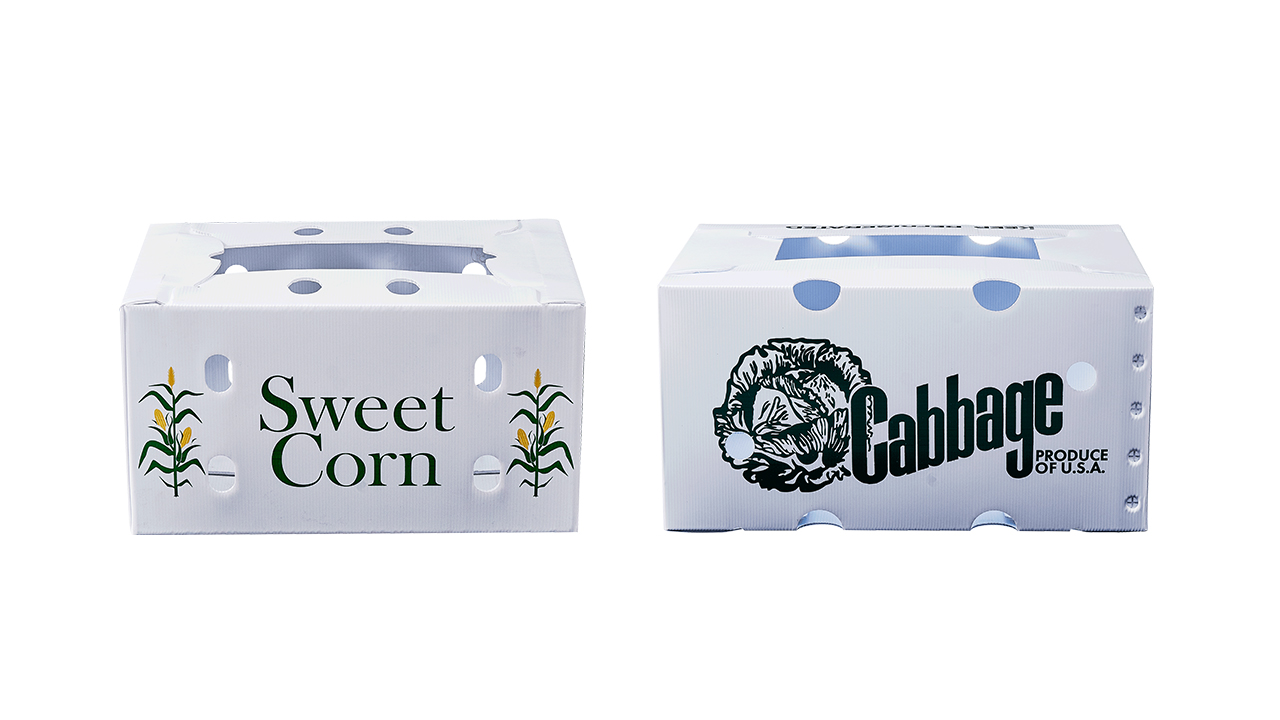
PP Corrugated boxes are a form of plastic corrugated containers made of PP (polypropylene) corrugated sheets. These containers are both light and durable with moisture-resistance properties, while offering an opportunity for customization. You can select the desired sheet thickness, size, color, print, and box design based on your needs.
2. Essential Materials and Tools
Prior to starting your PP corrugated box fabrication, gather all the required materials and tools.
| Category | Tool / Machine | Purpose |
| Software | AutoCAD / Adobe Illustrator / Designing packaging software | For Dielines & Batch Layout Optimization |
| Measuring | Steel ruler / Measuring tape | Measurement of sheet size and box panel sizes |
| Cutting | 1) CNC Knife cutter 2) Utility Knife | 1) Precision cutting of PP corrugated sheets 2) Cutting PP corrugated sheets |
| Creasing | Creasing machine | Creation of precise crease lines |
| Die Cutting | Flat bed die cutter | Die cutting of shapes, holes, and box design |
| Punching | Hydraulic puncher | Creation of handle holes and other cuts |
| Printing | 1) Flexographic printing press 2) Screen printing press | 1) High volume printing on PP corrugated sheets 2) Printing of logos and graphics on small production runs |
| Assembly | 1) Pneumatic Riveting machine 2) Ultrasonic welding machine 3) Glue | 1) Rapid and precise plastic rivet insertion 2) Welding of compatible PP materials without traditional joining processes 3) For joining |
| Folding | Automatic Folding machine | Efficient folding of box panels during production |
| Finishing | Edge trimmer | Trimming of the cut edges |
| Inspection | Digital Caliper | Measuring sheet and box dimensions |
You will require different materials and equipment based on your design for the box, thickness of sheets, quantity of production, and automation level.
3. Design: Your Box Design Checklist
Proper box design is very essential because design impacts material usage, strength, assembly, and shipping.
Before proceeding with production, verify that you have taken care of the following:
- Box dimension:Decide the appropriate dimensions based on your product.
- Sheet thickness:Decided on the appropriate sheet thickness based on the weight and protection required for your product.
- Flutes orientation:Consider the flutes orientation of the PP sheet during the design of folds and other box components.
- Box closure method:You may opt for flaps, tabs, rivets, locks, or any other form of box closure method.
- Handles:Include handles in the package design in case your clients need to move around their boxes.
- Ventilation:Holes for ventilation may be included in packaging that is designed for agriculture and produce.
- Print:Make a plan for how you would like to print your logo, product details, barcode numbers, and even instructions on how to handle your products.
- Shipping & Storage:Do you want your box to be either foldable or stackable? For folding/collapsible corrugated plastic boxes, you should design the fold lines, fold panels, and lock tabs in such a way that the box is easily folded without damaging the sheet. For stackable boxes, you should design the box with adequate rigidity and carrying capacity. You can strengthen the bottom and corners of the box and design a mechanism for stacking the boxes.
Having a well-designed box is the key to successful packing and shipping of your products.
4. How to Make a PP Corrugated Box: Step-by-Step
Step 1: Pick Your PP Corrugated Sheet
It is important to choose the correct thickness, color, size, and quality of PP corrugated sheet according to your requirements.
Step 2: Design Your Box
Design your box through drawing of its panels, flaps, folding, holes, handles, or any other feature. It is essential to confirm your dimensions before cutting the sheet.
Step 3: Cut Your Sheet
Cut your PP corrugated sheet according to the dieline that has been approved for you. It is essential to have the right cuts because inaccurate measurements will bring challenges in the assembly process.
Before doing any cutting, ensure that the sheet measurements, panel measurements, crease locations, cut marks, holes, and handle locations are all checked and verified. The corrugated plastic sheet should be set up correctly and the cutting tools need to be sharp and calibrated. Correct cutting will enable you to fold and assemble your box correctly.
Step 4: Score or Crease Lines on Your Sheet
Score your sheet appropriately in order to have the necessary folding lines that will enable you to fold the sheet successfully.
Step 5: Add Ventilation Holes, Printing, and Other Customization
Your box can be customized based on your use and needs. If the box is to be used for agricultural packaging, you can add ventilation holes that help enhance airflow within the box to protect your products when storing or shipping them.
Other customization include the addition of logos, product information, bar-codes, handles, locking tabs, dividers, and others as per your requirement.
Step 6: Fold and Assemble Your Box
Just fold the pieces along the lines marked on them and then you can assemble them using the required assembly methods, such as plastic riveting or other.
Step 7: Inspect Your Finished Box
You should check your box dimension, folding, appearance, strength, printing, vent holes, customization and closing before you start packing them for shipping.
5. Common Mistakes to Avoid
Here are several common mistakes that you might make when making PP corrugated boxes:
Wrong thickness: A sheet that is too thin will not give enough strength to the box while an unnecessary thick one might increase its price. To start with, you could start with 2-3 mm for light boxes, 4-5 mm for normal usage, and 6-10 mm for heavy-duty use. Other factors to consider include the weight of your products, box size, stacking, transportation conditions, and reusability. Testing out a prototype will always be important.
Not paying attention to flute orientation: Flute orientation can influence folding and performance of your pp corrugated box.
Neglecting prototyping: You should always test a prototype before making an order for mass production.
Poor dimensional control: Even the slightest mistake in design can lead to difficulties in assembly or placing the product in the box.
Ignoring transportation needs: Think about stacking, palletizing, loading and storing when designing your box.
Using improper closures: This depends on whether or not you want your box to be reusable.
6. Frequently Asked Questions
Q1.How does thickness affect the cost of a PP corrugated box?
Thickness has a direct relationship with material consumption. For instance, if you use a 3 mm sheet, you will consume less material compared to a 5 mm or 7 mm sheet. The cost is therefore higher due to the increased use of material.
Q2.Can you manufacture PP corrugated boxes with anti-slip surfaces?
Yes. Anti-slip properties can be achieved by surface treatment or coating of your boxes when more friction is needed in handling and stacking. Embossing or micro-texturing will enable you to get a roughened surface for increased grip. Anti-slip coating based on water-based acrylic or PU coatings or even rubber-modified coatings is also an option, as long as it is compatible with PP. It all depends on your specific situation.
Q3. Can you combine foam with a PP corrugated box?
Yes. Inserts or pads made from foam can be used to make a custom cushioning and protective solution for your delicate products.
Q4.Can you make a collapsible PP corrugated box?
Yes. Using well placed creases and folding panels, as well as locks, you can create boxes that can be collapsed for easy storage and shipping.
Q5.How much does a PP corrugated box cost?
As a budgeting guide, a PP corrugated box costs about $0.80-$10+, based on the volume that you need, the thickness of the box, the quality of the material, the number of boxes, and the design customization of the box.
7. Conclusion
The production of corrugated plastic boxes using PP corrugated sheets requires proper selection of sheet, design of box, cutting, creasing, customization and assembly. If done properly, you will be able to make durable boxes for your specific use. PurePack can assist you in making your packaging solution boxes.