
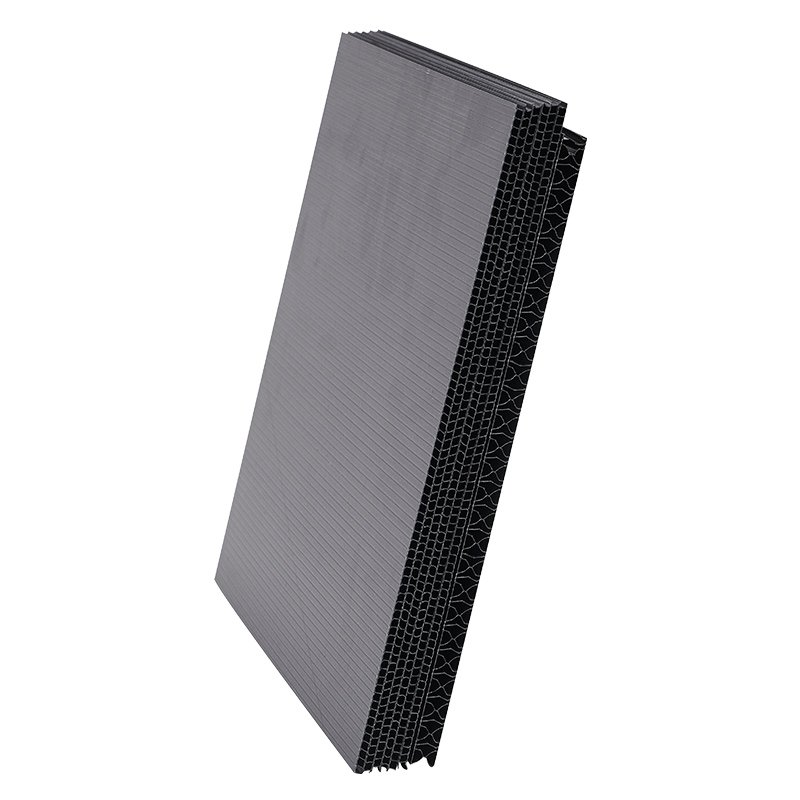
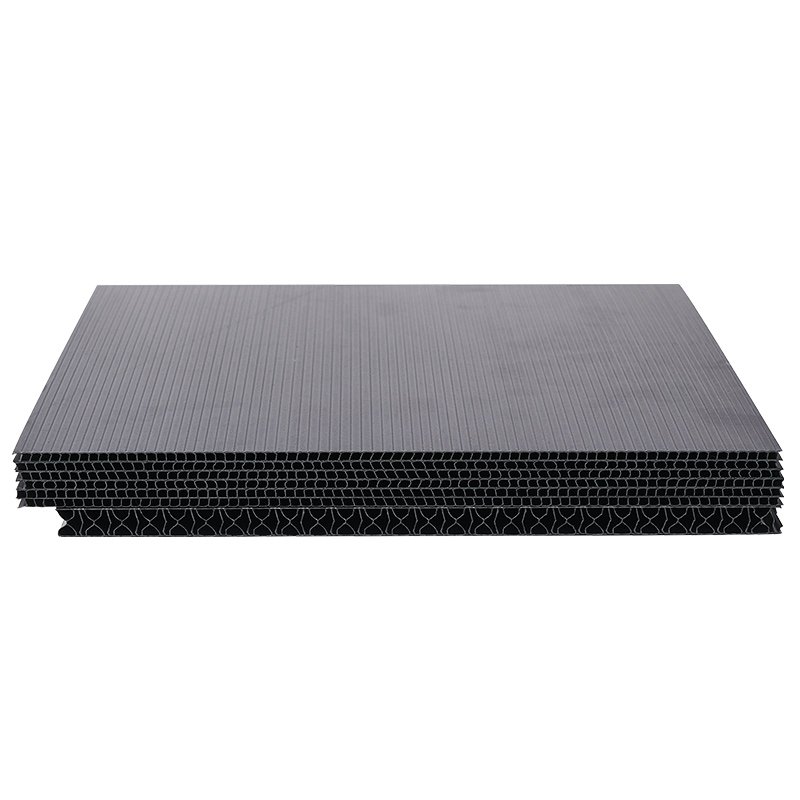
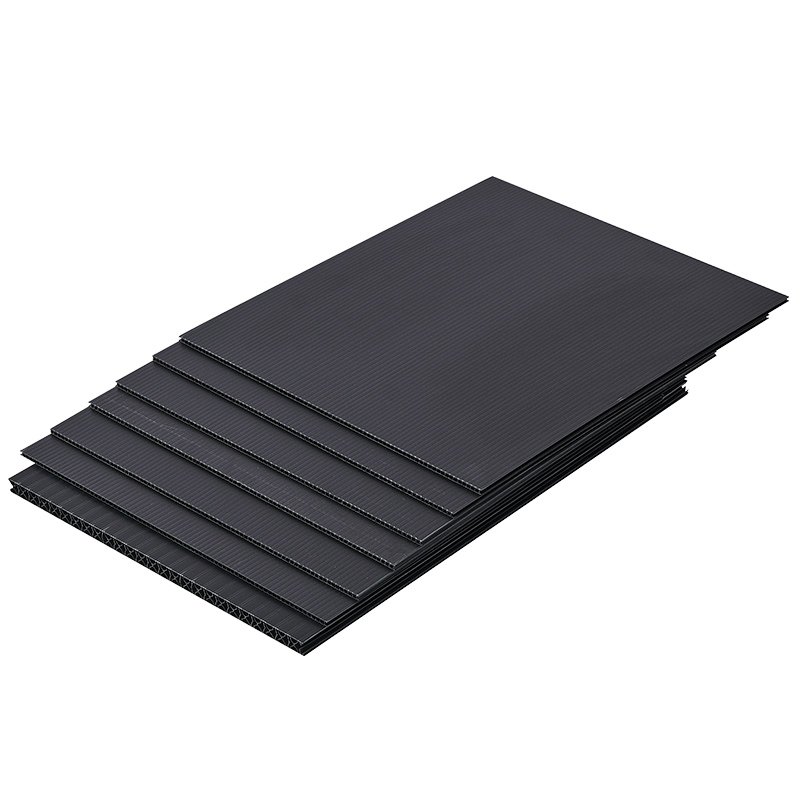
Why Choose Our Conductive PP Corrugated Sheet?
- Four Production Branches: Cover 50000 square meters scale.
- Factory Direct Price: The same price with the better quality.
- Fully Customizable: Cut to your exact size and shape.
- 16 Automatic production lines: Annual output of 30000 tons.
- More Functions Can Be Added: UV resistant and fire-resistant.
- Free Samples: Get a fast and free sample in 5-7 days before the formal order.
What Are The Conductive PP Corrugated Sheets?
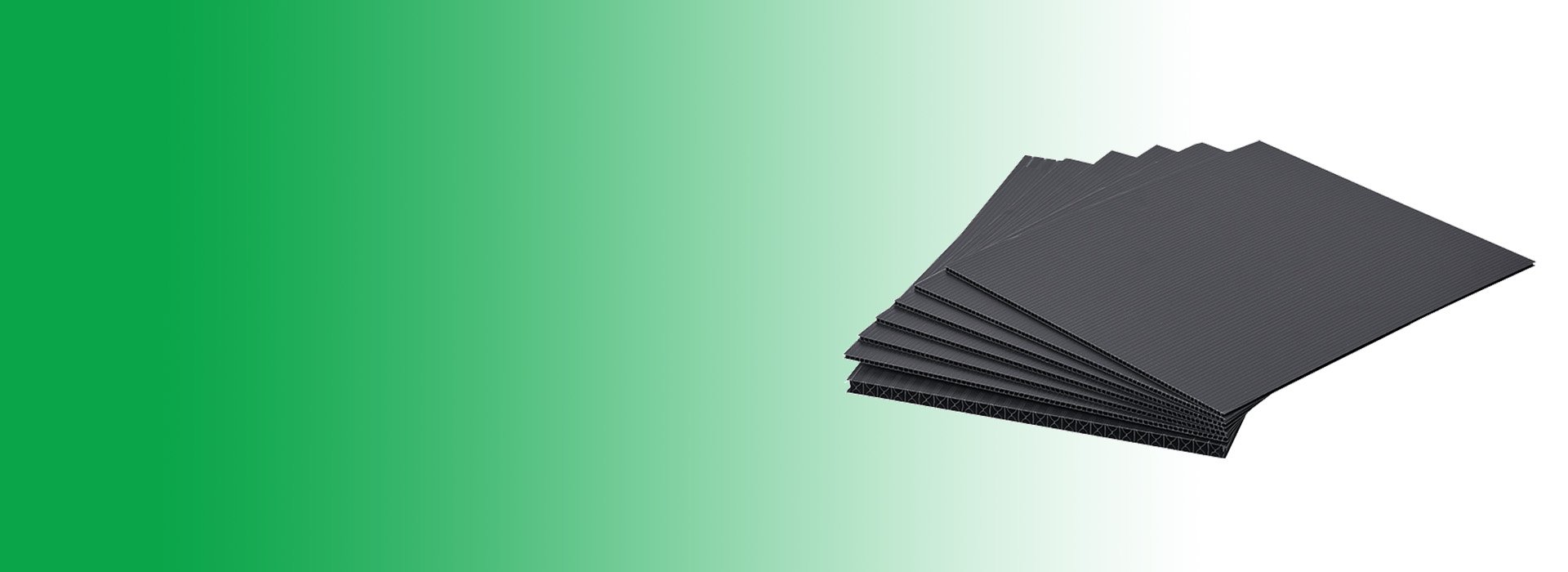
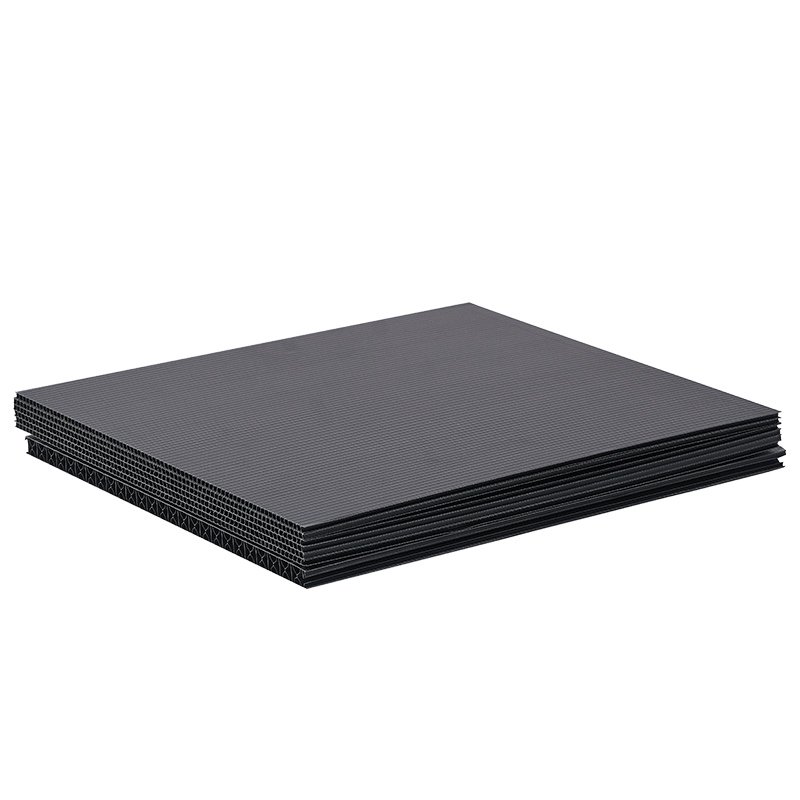
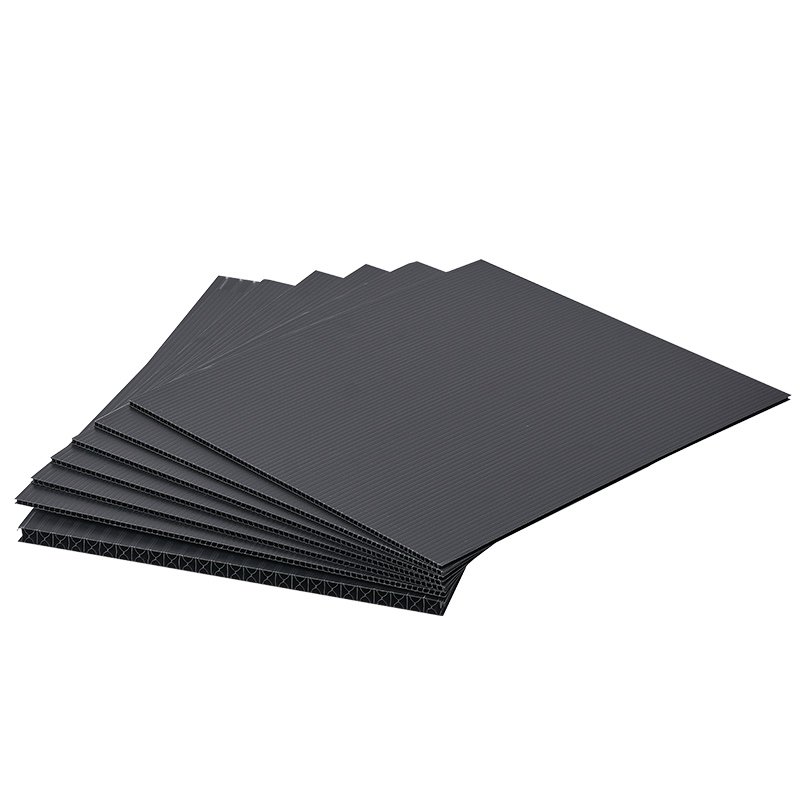
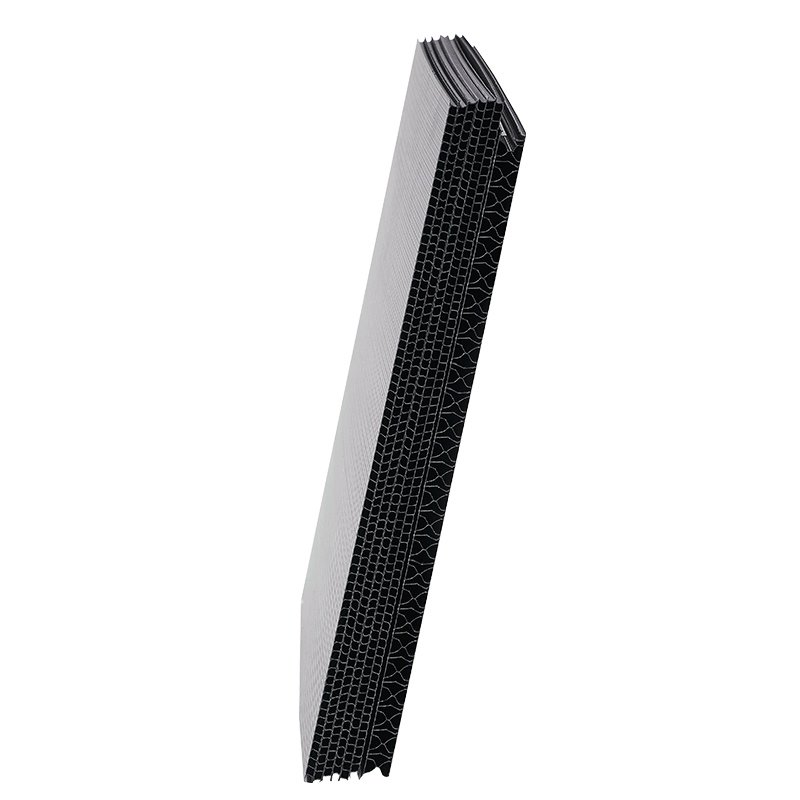
When extruding conductive PP corrugated sheet(also known as conductive corrugated plasric sheet, we need to add conductive agents so as to reach the aim of modification, and further make it with anti-static performance.
Conductive Fluted Sheet can be made into any color sheets with surface resistivity 1×10^3 Ω ~ 1×10^6 Ω. It is worth noting that among all conductive sheets, black conductive PP corrugated sheets have the best conductive performance and quality.
Customize Your Conductive PP Corrugated Sheet
We have many kinds of conductive PP corrugated sheet products for customers. Some of the common types of our customers use are as follows:
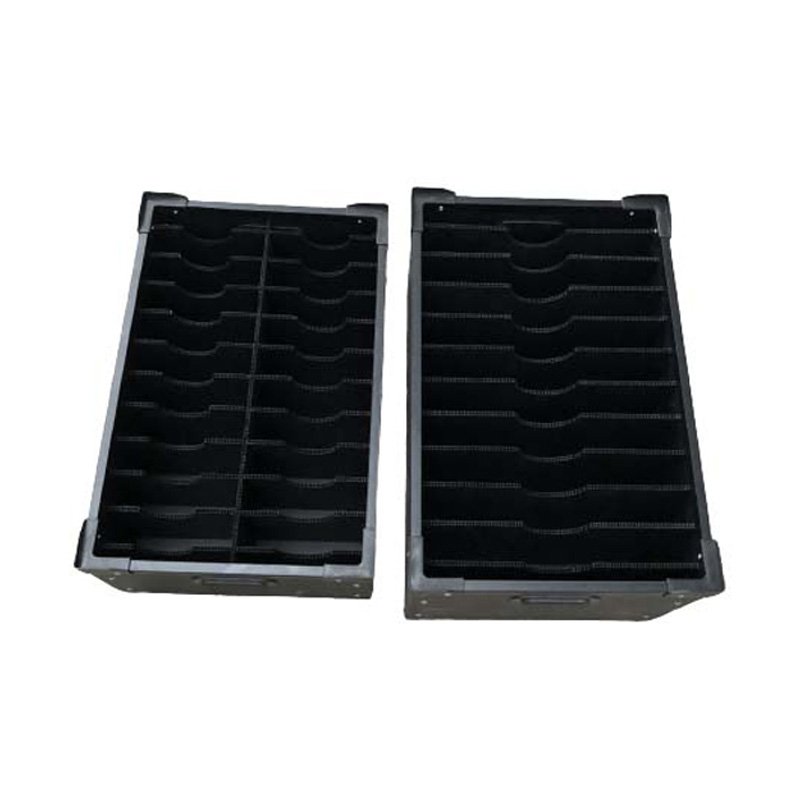
They are used for moving PCBs, modules, and assemblies on the production line.
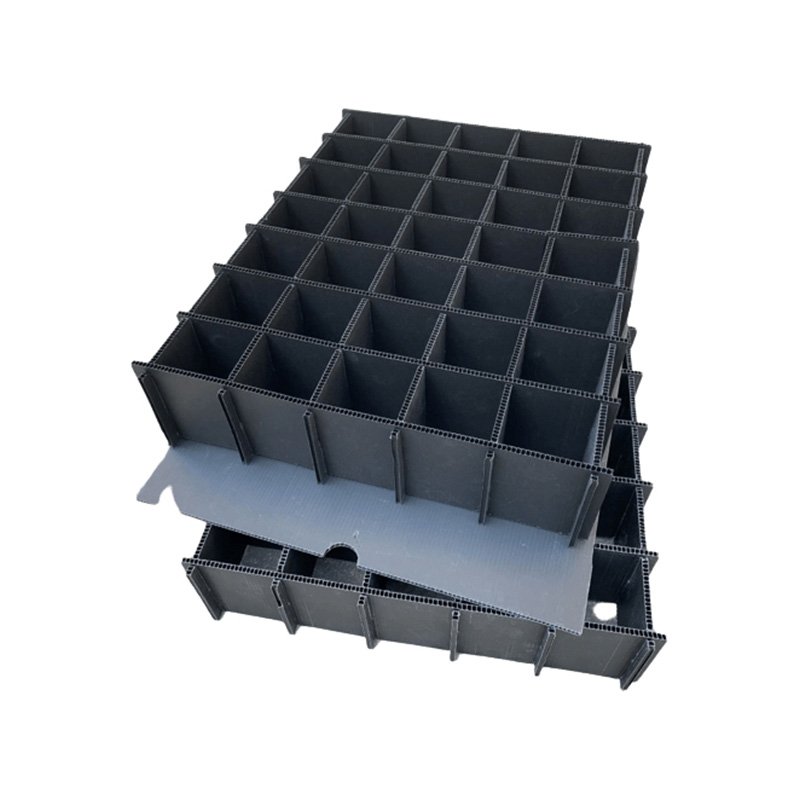
For separating different components inside a larger bin or box.
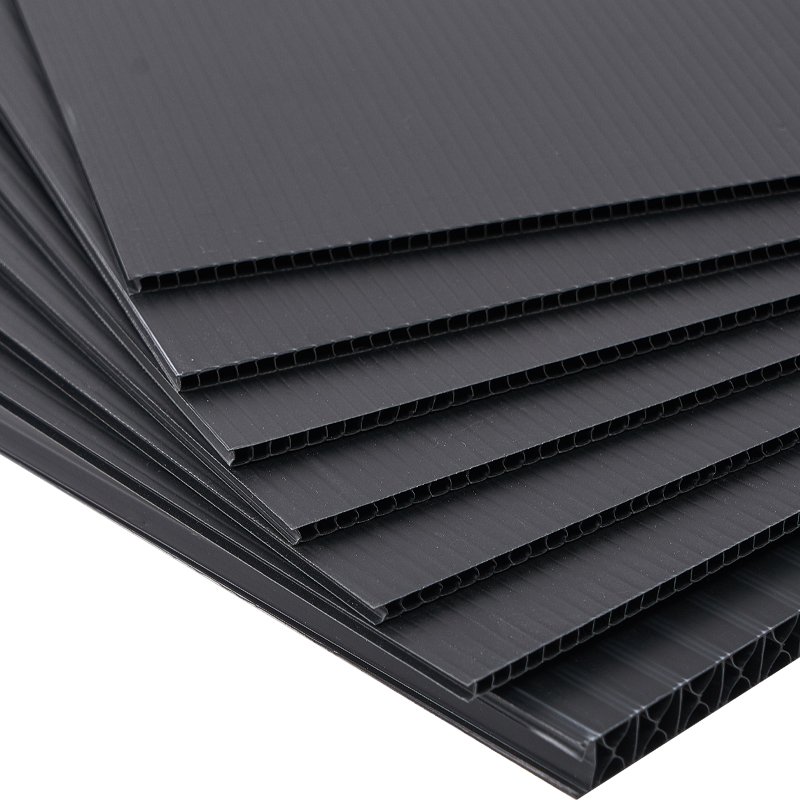
For stacking sensitive parts (like connectors or chips) in a storage bin.
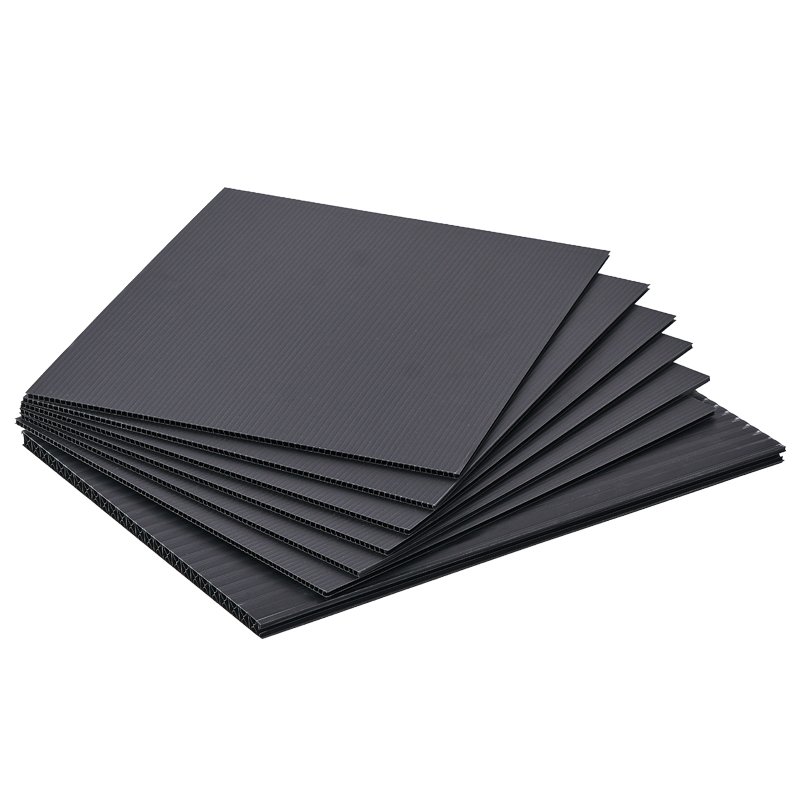
You get a flat sheet that is easy to machine, cut, or fold yourself to create a custom solution.
Key Features of Conductive PP Corrugated Sheet

Carbon-loaded PP prevents electrostatic discharge.

Tested to 10³-10⁶Ω. Certified performance.

Easy to carry, yet strong enough to protect parts.

Available in a fire-resistant grade for extra safety.
Self owned formula ensures the stability between batches
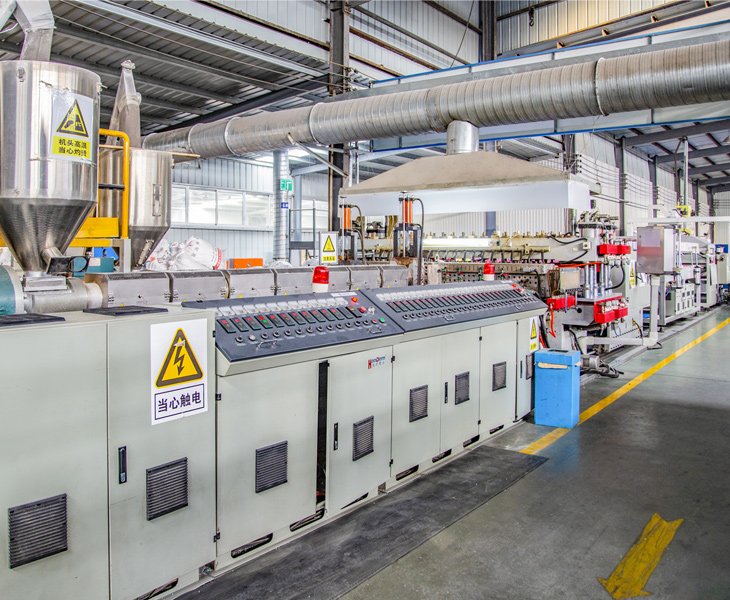
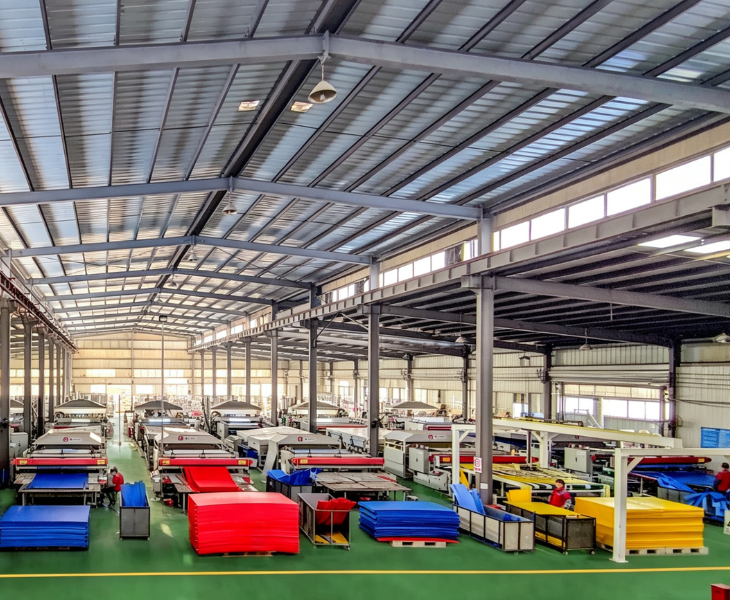
Strict quality control & Full Customized Capability
Why You Choose Purepack?


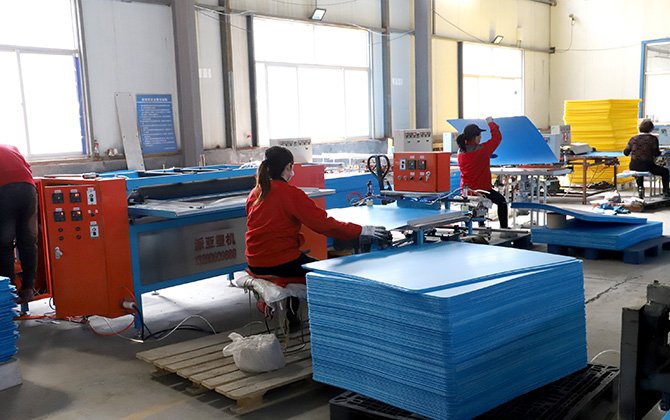
As a manufacturer that has absolute control over quality and delivery time, we have 16 fully automated production lines and an annual production capacity of over 30000 tons. With over 260 skilled employees and rich export experiences to more than 120 countries.
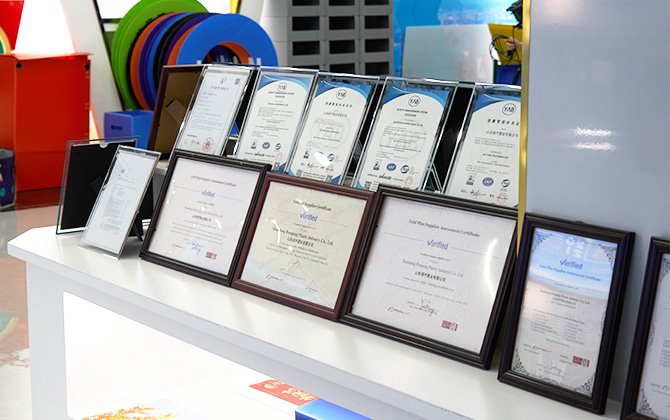
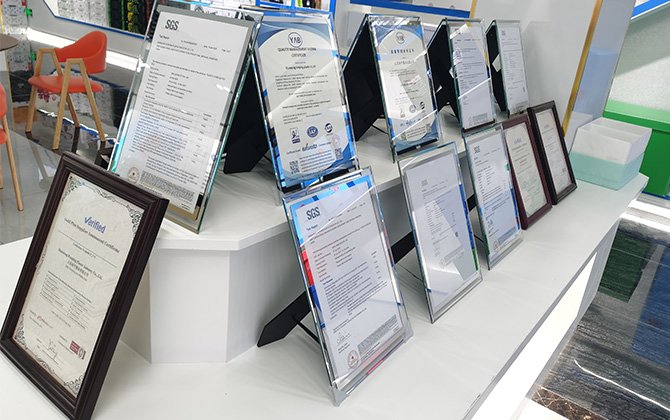
We have strong customization ability, the thickness range: 1.2mm to 12mm, maximum width: 2500mm, special functions: anti-static, flame retardant, UV resistant, etc. With certification of ISO9001, ISO14001, SGS, FDA, TUV, and ROHS.
Good service, providing support for you: we offer free samples within 5-10 days, design support, 24-hour communication, and on-time delivery, any time with any requirements pls contact us!
Conductive PP Corrugated Sheet Comes in Various Types
Some of our cases are as follows:
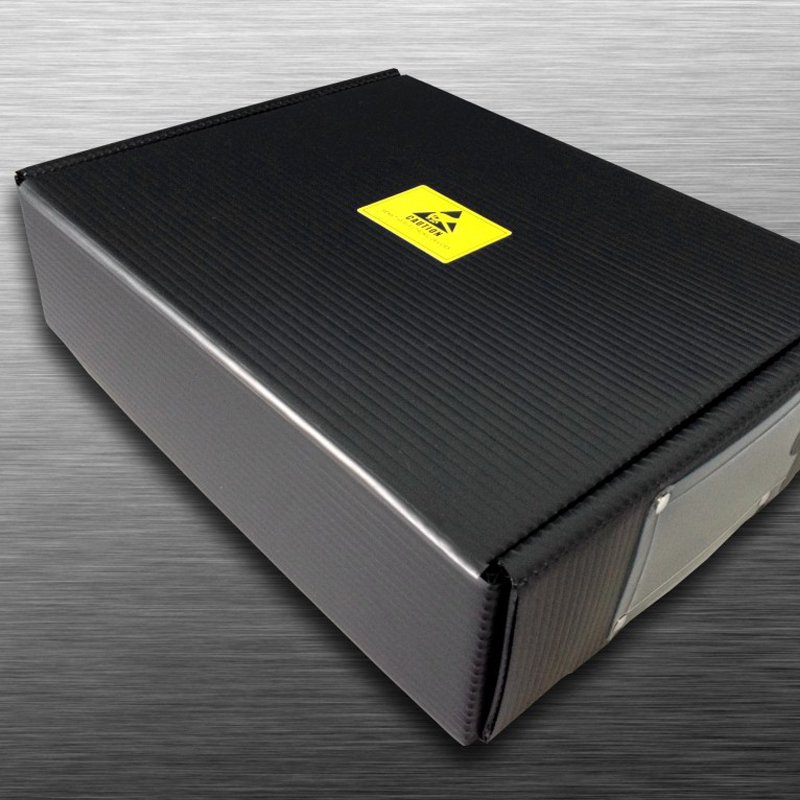
The ESD properties, not affected by age or humidity, can be made into in PP Corrugated Box, container, or sheet.
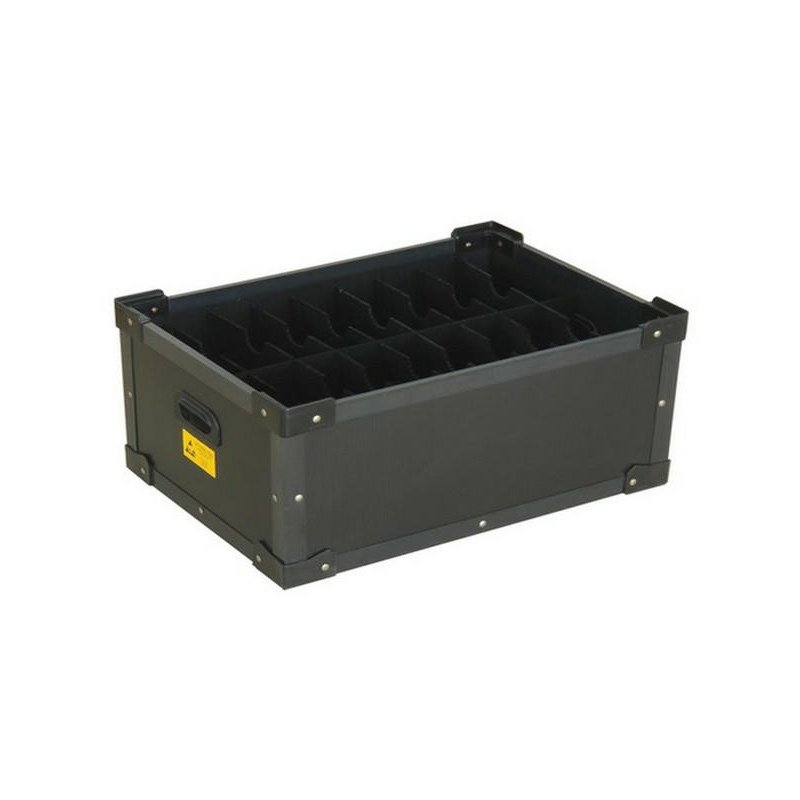
Prevents electrostatic discharge, keeping sensitive electronic parts safe during storage and handling.

- Technical Data
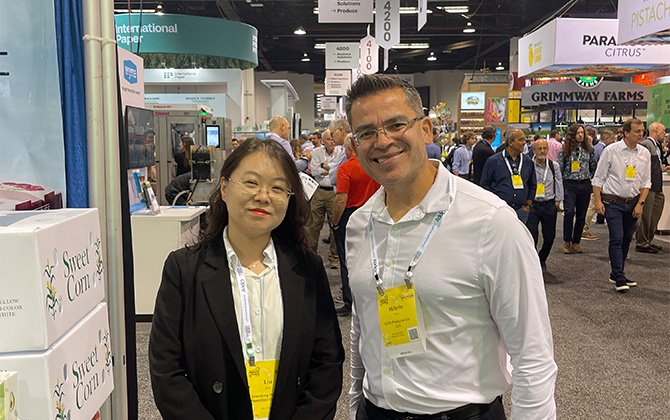
- Customer Gallery
- Quality Certification
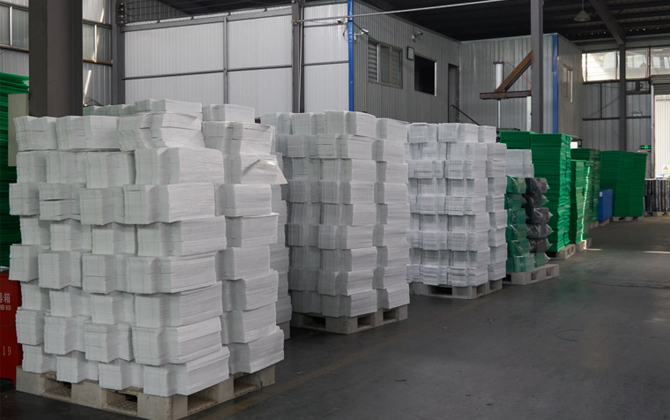
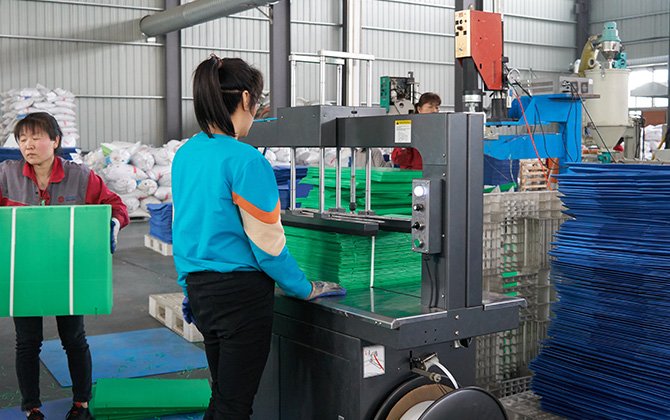
- Factory Gallery
| Product Name | Conductive PP Corrugated Sheet/Conductive corrugated sheet |
| Typical Thick | 2mm, 3mm, 4mm, 5mm, 6mm, 7mm, 8mm, 9mm, 10mm, 11mm, 12mm, or customized |
| Density | 280-3500GSM |
| Surface | Flat, smooth, glossy |
| Special treatment | Flame Retardant (UL94 V-0), UV Stabilized. |
| Color | Black, or customized |
| Packaging | Film ordinary packing or according to the customer’s requirements |
| Certificate | ISO9001, ISO14001, SGS, TUV, ROHS |
| MOQ | 1000 pieces |




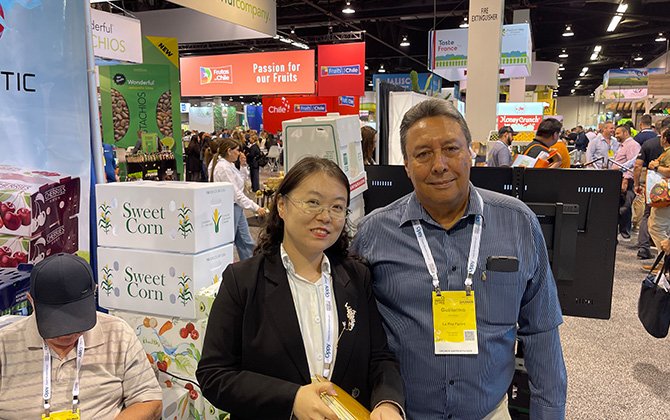
Testimonials
“Our old ‘anti-static’ trays stopped working after six months. Switching to Purepack’s conductive PP corrugated sheet was a game-changer. Two years of daily use, and the resistance is still exactly as specified. Our ESD defect rate dropped by over 15%.”
 David LeeSenior Packaging Engineer, US
“We needed a dependable conductive solution for our automotive ECU shipping loop. Pureapck’s c is strong enough for our crates, and the conductivity is permanent. The sample they sent was perfect, and their factory-direct pricing was unbeatable.”
 Sarah WilliamsSupply Chain Director, Germany
Yes, but please note that the conductivity of colored conductive corrugated sheet may not be as stable as that of black. Because the black conductive corrugated sheet is filled with high-purity carbon black, the conductive network is the most uniform. Adding other pigments to the colored board may affect the distribution of carbon powder.
We accept small batch trial production orders. The MOQ is usually 1000 pieces, but for first-time cooperation or testing purposes, we can flexibly cooperate with trial orders of 50-200 pieces. This way, you can first test the performance, verify the dimensions, and confirm that there are no issues before placing the bulk order.
The impact is minimal. The conductive network does not depend on temperature, unlike some chemical coating types that are greatly affected by temperature. In general (-20 ° C to 80 ° C), the performance is stable. If your usage environment exceeds this range, such as near high-temperature or frozen warehouses, please let us know the specific temperature and we will adjust the formula to suit it.
Okay. We support various printing methods such as screen printing and UV printing. We will first perform corona treatment to ensure that the ink adheres firmly. The conductivity is not affected after printing. Common application scenarios: company logo, ESD warning label, product model, batch number, etc.
How to choose conductive PP corrugated sheet?
There are so many manufacturers selling conductive PP corrugated sheets on the market, with prices ranging from tens to tens of yuan per kilogram. How should I choose? Based on my years of experience working with factories, I have sorted out several key points.
Firstly, clarify whether you require conductivity or anti-static properties
Many people confuse these two, but they are actually far apart.
The surface resistance of conductive type is between 10 ³ and 10 ⁶ Ω, which means it can allow static electricity to flow away quickly. This material is suitable for mounting chips, wafers, PCB boards, and other items that are particularly sensitive to static electricity.
The surface resistance of the anti-static type is between 10 ⁶ and 10 ⁹ Ω, which prevents static electricity from flowing away quickly but slowly dissipates. Suitable for installing general electronic components, with less demanding requirements.
Before you buy, think carefully: What level of protection does your product need? Don’t spend money on anti-static products that are conductive, or vice versa. If you buy anti-static products that are conductive, it will be too late for problems to occur.
Secondly, determine whether the conductive method is “built-in” or “coated.”
This is the biggest pit.
Coated boards are made by spraying a layer of anti-static agent on the surface of ordinary PP boards. When I first bought it, the resistance test was up to standard, but after using it for three to five months, once the coating is worn off or washed off, the board turns back into ordinary plastic. You think it’s anti-static, but in fact, it’s already secretly generating static electricity. This type of board is cheap, but it can deceive people.
The built-in board is made by directly mixing conductive carbon powder into the PP raw material, and the entire board is conductive from the inside out. You take a knife to cut, and the cut surface is still conductive; Wash with water one hundred times, and the conductivity remains unchanged. This conductive PP corrugated sheet is a bit expensive, but you can use it with confidence.
How to distinguish? It’s simple – ask the manufacturer to give you a board, measure the surface resistance with a multimeter, then sand it with sandpaper a few times before testing. The resistance value of the coating type will significantly increase, while the built-in type remains unchanged.
Thirdly, check if the thickness and size can be customized
The thickness of the conductive PP corrugated sheet varies from 2mm to 8mm, with different uses depending on the thickness:
2-3mm: Suitable for making partition plates, knife clips, and gaskets
4-5mm: Suitable for making small and medium-sized turnover boxes
6-8mm: Suitable for making heavy-duty turnover boxes and pallets
What you need to do is first think about the weight of your product and the size of the box, and then choose the thickness. Don’t choose thinner ones just to save money, as the box will deform after being packed a few times.
In terms of size, the standard board is 1220 × 2440mm, but many factories can cut it according to your requirements. If you want to make special shapes, you also need to ask if CNC cutting and ultrasonic welding are possible. Some factories only sell boards without processing, and you have to find someone to cut them yourself when you buy them back, which is troublesome.
Fourth, check if there are any flame-retardant requirements
If your product is to be exported to Europe and America, or used in industries such as automotive and aviation, the other party may require a flame-retardant rating of UL94 V-0. The ordinary conductive PP corrugated sheets may not necessarily have this performance, so it is important to clarify before purchasing.
Flame retardant and conductive are two different functions that can be combined. But after adding flame retardants, the conductivity may be affected. A reliable manufacturer will help you adjust the formula to ensure that both indicators are met.
Fifth, don’t just look at the unit price; calculate the general ledger
Many people ask, ‘How much does it cost per kilogram?’ and then choose the cheapest one to buy. But what you need to calculate is the comprehensive usage cost.
For example:
Cheap coated board, priced at 20 yuan per kilogram, will expire after six months of use
An expensive built-in board, 30 yuan per kilogram, can be used for three years without any problem
Calculated, cheap boards need to be bought twice a year and cost 120 yuan in three years; The expensive conductive PP corrugated sheet costs 90 yuan for three years. Which one is worth it? stick out a mile.
In addition, due to the failure of anti-static measures resulting in product scrapping, customer complaints, and brand reputation damage, this account is even more unnecessary to calculate.
To summarize, how to choose?
Choosing conductive PP corrugated sheet is not difficult. The key is to know what you want and then find a reliable manufacturer. Don’t be fooled by low prices or fancy parameters. Taking a sample for testing before placing order. Purepack maybe a good choice for you! Don’t hesitate to contact us for further details.